Best Biodegradable Cup Paper Options for Eco-Friendly Packaging?

Time:2026-07-26 Author:Isabella
0%

In today's world, sustainability is essential. The shift towards eco-friendly packaging is more crucial than ever. Biodegradable Cup Paper has emerged as a viable alternative to traditional plastic cups. These cups can break down naturally, reducing waste and environmental impact.

Manufacturers are now producing various options in biodegradable paper. These options cater to diverse needs. Some cups are designed for hot beverages, while others suit cold drinks. The materials used are often sourced from renewable resources. However, not all biodegradable products are created equal. Some may not decompose as quickly as advertised.

It's essential for consumers and businesses to research their choices. Understanding the lifespan and environmental benefits of Biodegradable Cup Paper is vital. By making informed decisions, we can support a greener planet. However, vigilance is necessary to avoid misleading claims in the market.
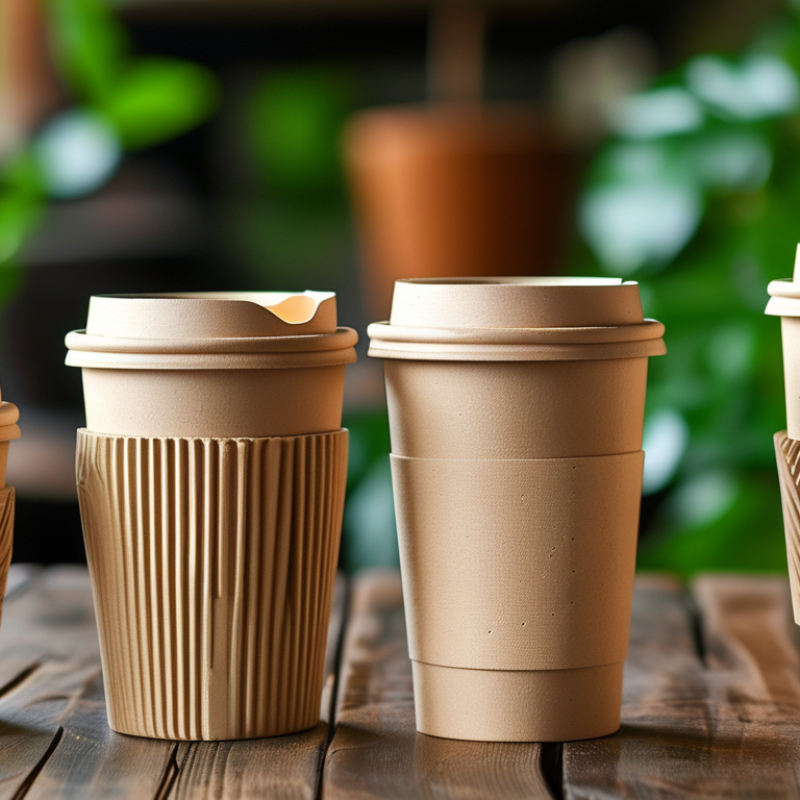
Best Biodegradable Cup Paper Options for Eco-Friendly Packaging?

Overview of Biodegradable Cup Materials in Eco-Friendly Packaging

Biodegradable cups are becoming increasingly popular in eco-friendly packaging. This shift is driven by consumer demand for sustainable products. According to a recent report by Smithers Pira, the global market for biodegradable packaging is projected to grow at a CAGR of 14% by 2028. This statistic highlights the rising interest in alternatives to traditional plastic.

Various materials are used in biodegradable cups. Common options include PLA (polylactic acid), made from cornstarch, and paper cups lined with biodegradable coatings. Both materials break down naturally, reducing harm to the environment. However, challenges remain. Some biodegradable cups still require specific industrial composting conditions to decompose effectively.

While the benefits of biodegradable materials are clear, they are not without limitations. For instance, the production process for PLA can consume significant agricultural resources, sparking debates about food versus fuel. Additionally, not all consumers dispose of biodegradable items properly, undermining their ecological advantages. As the industry evolves, ongoing research is crucial to address these issues and improve the effectiveness of biodegradable packaging solutions.

Types of Biodegradable Cups: Paper vs. Other Materials

When considering biodegradable cups, paper options stand out for their eco-friendly attributes. Paper cups are sourced from trees, which can be replenished. They break down more easily than plastic alternatives. Compostable paper cups can restore nutrients to the soil. This process takes only a few months under the right conditions.

In contrast, other materials, like PLA (polylactic acid), also offer biodegradability. PLA is made from renewable resources, but it requires specific conditions to decompose. The end-of-life scenario can affect its recycling capabilities. Both materials have their pros and cons. Paper cups may be less durable when hot beverages are served. This often leads to leaks or spills.

The choice of material depends on the intended use. For short-term events, paper cups can be more practical. However, for longer events, a more robust alternative might be necessary. It's essential to weigh the environmental impact of each choice. Balancing functionality and eco-friendliness is no easy task. The quest for the perfect biodegradable cup continues as more innovations emerge.

Benefits of Using Biodegradable Cups for the Environment

The use of biodegradable cups is a significant step towards reducing environmental impact. These cups break down naturally, unlike traditional plastic. They decompose into non-toxic substances, benefiting the soil and ecosystem. Using these cups helps decrease waste in landfills. Less waste means a healthier planet.


Another benefit is the reduced carbon footprint associated with biodegradable materials. They require less energy to produce and often come from renewable resources. This makes them a more sustainable option. Additionally, biodegradable cups are often compostable. This allows them to contribute to a circular economy. However, not all biodegradable products are created equal. Some still rely on industrial processes for decomposition.


Consumer awareness is essential when choosing biodegradable cups. People often assume that all such products are environmentally friendly. Misleading information can result in poor choices. It's important to read labels and understand what you're purchasing. Not every option is a perfect solution. We need to remain vigilant and make informed decisions to truly help the environment.

Factors to Consider When Choosing Biodegradable Cups

When choosing biodegradable cups for eco-friendly packaging, several factors come into play. Material choice is crucial. Biodegradable cups commonly utilize PLA (polylactic acid) or paper. PLA is derived from corn starch, while paper cups might be treated with a liner to prevent leaks. Understanding the differences helps in selecting the right option for your needs.

Durability is another key consideration. Biodegradable cups should not compromise strength while being environmentally friendly. Research indicates that about 35% of consumers expect their cups to withstand hot liquids without leaking. Eco-conscious brands must assess whether their materials meet these expectations without using harmful chemicals.

Tips: Look for certifications from recognized environmental organizations. This can ensure that your chosen cup meets industry standards for biodegradability. Additionally, consider the cups’ end-of-life scenarios. Will they break down in your local composting facility, or do they require specific conditions?

Pay attention to consumer feedback as well. Not all biodegradable cups perform similarly in various environments. Some may leave residue or affect the flavor of beverages. Each option comes with its strengths and weaknesses, making research essential for environmentally responsible choices.

Leading Brands and Products in Biodegradable Cup Manufacturing

When it comes to eco-friendly packaging, biodegradable cups are gaining popularity. Numerous brands have stepped forward to offer sustainable solutions. These products appeal to both consumers and businesses. Many manufacturers are focusing on materials derived from plant starch, sugarcane, or recycled paper. These materials break down more quickly compared to conventional plastic.

Some leading companies focus on innovation. They strive to improve the design and functionality of their biodegradable cups. Each product must withstand liquid without leaking. This is a challenge that is often overlooked. Sustainability does not come without its hurdles. Ensuring that these cups hold their shape and keep beverages warm is crucial. Modern production processes often require adjustments.

While the market is booming, transparency remains important. Consumers want to know where materials come from. They seek information about the manufacturing process. Brands that foster trust through detailed product descriptions tend to stand out. A lack of clear communication could fuel skepticism among eco-conscious buyers. Overall, the journey toward sustainable packaging involves continuous improvement and open dialogue.

FAQS

: What are biodegradable cups made from?

: Commonly, biodegradable cups are made from materials like PLA, derived from cornstarch, or paper with biodegradable coatings.

How do biodegradable cups benefit the environment?

They break down naturally and reduce landfill waste, contributing positively to soil and ecosystems.

Do biodegradable cups require special disposal methods?

Yes, some need industrial composting conditions to decompose properly.

Are all biodegradable cups equally eco-friendly?

No, not every biodegradable product is created equal. Some depend on industrial processes for decomposition.

What challenges do manufacturers face with biodegradable cups?

Ensuring they do not leak while holding shape and keeping beverages warm is a significant challenge.

How can consumers make informed choices about biodegradable cups?

It's essential to read labels and understand product details; not all options are as sustainable as they appear.

Is the production of biodegradable materials resource-intensive?

Yes, some processes consume significant agricultural resources, raising concerns about balancing food and fuel needs.

What role does consumer awareness play in using biodegradable products?

Misleading information can lead to poor choices; awareness helps people choose truly sustainable products.

Why is transparency important in biodegradable cup manufacturing?

Consumers seek trust and information about materials and processes; clear communication fosters confidence.

What does the future hold for biodegradable packaging?

Continuous research is needed to address limitations and improve effectiveness in sustainable packaging solutions.

Conclusion

The article provides an insightful overview of biodegradable cup materials, highlighting the importance of eco-friendly packaging solutions. It explores various types of biodegradable cups, focusing on the advantages of Biodegradable Cup Paper compared to other materials. By emphasizing the environmental benefits of using biodegradable cups, the article encourages consumers and businesses to make more sustainable choices.

Moreover, several key factors are discussed to consider when selecting biodegradable cups, such as material composition, durability, and biodegradability. The section on leading brands and products in the biodegradable cup manufacturing segment showcases the growing market and innovation in this field. Overall, the article serves as a comprehensive guide for anyone looking to incorporate biodegradable cup paper and other eco-friendly options into their packaging strategy.

Isabella

Isabella

Isabella is a dedicated marketing professional with a sharp focus on driving brand growth and engagement through strategic content creation. With an extensive background in digital marketing, she combines her passion for storytelling with her keen understanding of industry trends to deliver......