Global buyers need more than a low quoted price when sourcing Pe Coated Paper Roll. The right roll must run smoothly through converting equipment, protect contents, and arrive with consistent coating quality. This guide introduces seven suppliers worth examining across international markets. It focuses on practical buying evidence, not polished claims. We consider paper weight, coating coverage, roll dimensions, moisture resistance, printing performance, minimum order quantities, and export support. Small details matter. A loose core or uneven edge can disrupt an entire production shift.
Each supplier is assessed through questions experienced procurement teams typically ask. Can the mill provide current technical data sheets and reliable samples? Are food-contact or packaging certifications relevant to the intended use? Does the supplier explain testing methods, tolerances, lead times, and shipment protection clearly? These checks help buyers compare factories fairly, even when terminology differs between regions. They also reduce the risk of judging quality from photographs or a single attractive quotation. A sample may look excellent and still fail at high speed.
The selection is designed for buyers in food packaging, disposable products, printing, and industrial converting. It does not claim one supplier fits every application. Climate, machinery, compliance needs, and target cost can change the best choice. Some information may require direct verification before purchase. That is not a weakness; it is responsible sourcing. Use this overview as a practical starting point, then confirm specifications, production capacity, inspection arrangements, and after-sales communication with each shortlisted supplier. Reliable decisions are built on evidence, not assumptions.
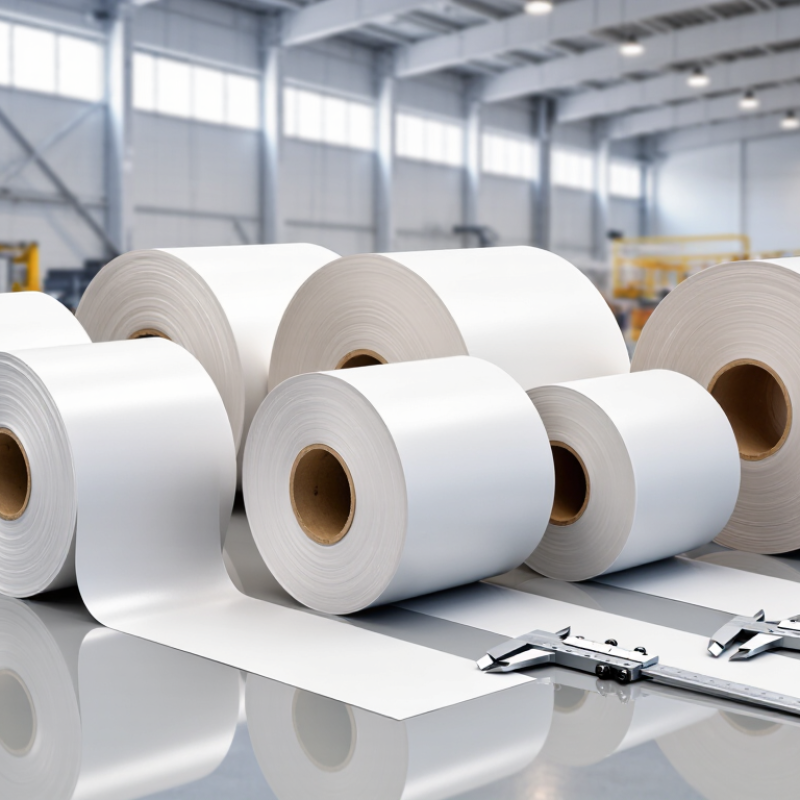
PE-coated paper is paper covered with a thin polyethylene layer. The coating improves resistance to water, oil, and light moisture. It can also provide heat-sealing performance during packaging production.
You may see this material in takeaway cups, frozen-food cartons, bakery bags, paper trays, and wrapping sheets.
A hot drink should not quickly soften the paper wall. A greasy pastry should not leave a dark stain through the package. These simple tests reveal the coating’s practical value.
However, performance depends on coating weight, paper strength, sealing temperature, and storage conditions. More coating is not always better.
Global buyers should ask suppliers for paper basis weight, PE thickness, roll width, core size, and winding direction. Food-contact documentation and migration test reports also deserve careful review. Requirements differ between markets, so one certificate may not fit every destination.
A trial roll can expose curling, uneven coating, or weak seals before mass production. It is a small step, but often overlooked.
PE-coated paper can complicate recycling because paper and plastic layers need separation. Some mills offer recyclable or reduced-plastic structures, but claims require technical evidence. Suppliers should explain the material clearly, including limitations. Perfect packaging rarely exists; the right structure depends on the product, filling process, shelf conditions, and disposal system.
Selecting a PE-coated paper roll requires more than checking a glossy surface. Global paper and paperboard production exceeded 400 million tonnes in 2022, according to FAO Forestry Production and Trade data. That scale makes consistency a serious purchasing issue. Request the paper grammage under ISO 536, coating weight, moisture content under ISO 287, and roll width tolerances. Compare these figures with your converting machine, not only with a supplier’s catalogue.
Barrier performance needs measured evidence. Ask for Cobb water absorption, heat-seal strength, tensile strength, and water vapour transmission results. A smooth coating may still contain pinholes. Test samples after storage, bending, and heat exposure. Roll hardness also matters; loose edges can create telescoping during transport. Check core diameter, splice frequency, winding direction, and maximum roll diameter. For food packaging, obtain current migration and compliance documentation for the destination market. Requirements differ.
Recyclability deserves careful questioning. CEPI’s Key Statistics 2023 reported a European paper recycling rate of 79.3% for 2022, but PE coatings can affect repulping and collection routes. Ask whether the coated structure was tested in the intended recovery system. No inspection method is perfect. A rushed visual check can miss coating variation across the roll. I would retain samples from every production lot and repeat testing after conversion. Supplier claims are useful, but independent laboratory results are stronger.
The chart presents commonly used target PE coating weights for major paper-roll applications. Higher coating weights generally provide stronger moisture and grease resistance, while final selection should also consider paper basis weight, coating uniformity, heat-seal performance, roll width tolerance, and end-use requirements.
Seven PE-Coated Paper Roll Suppliers for Global Buyers
Global buyers can assess seven supplier profiles when sourcing PE-coated paper rolls. The first is a high-volume mill serving food-service packaging producers. The second focuses on small and medium orders. The third offers custom coating weights for different moisture barriers. The fourth specializes in wide rolls for automated converting lines. The fifth supplies recyclable or reduced-plastic coating options. The sixth supports printed base paper and private-label packaging projects. The seventh provides regional warehousing and shorter delivery routes.
Ask each supplier for recent technical data. Check paper grammage, coating thickness, roll width, core size, moisture resistance, and sealing performance. Request samples from the same production grade, not only showroom material. A reliable supplier should explain tolerances clearly. Production consistency matters more than attractive pricing. It also helps to review factory experience, quality-control records, export packaging, and response time.
Ask for independent test reports where practical. Do not assume a familiar specification fits every machine. PE-coated paper can curl under heat or humidity. That detail is easy to miss. I would test rolls through a real converting line before signing a large contract. No supplier is perfect. Even strong suppliers may struggle with urgent changes, mixed specifications, or seasonal capacity. Buyers should record these weaknesses openly and compare them with delivery needs, sustainability targets, and total landed cost.
When evaluating seven PE coated paper roll suppliers, capacity should mean more than factory size. Ask for monthly output, coating-line width, roll diameter limits, and average lead times. A supplier may claim high capacity, yet lack spare production lines during peak seasons. Request recent production records and sample shipment schedules. Details matter.
Certifications need careful checking. Confirm the certificate number, issuing body, covered factory, and expiration date. For food packaging, request current migration test reports and material declarations. FSC chain-of-custody documentation may also matter for responsible sourcing.
Do not accept a logo alone. I have seen documents that covered a trading office, not the manufacturing site.
Pricing comparisons often fail because quotations use different assumptions. Check paper weight, PE coating thickness, roll width, core size, minimum order quantity, and packaging method. Add inland transport, ocean freight, inspection fees, and payment costs. A low price can become expensive after adjustments. It happens often.
Ask suppliers to provide a line-by-line quotation using identical specifications. I would also test one small batch before signing a long contract. That step costs time, but it can reveal uneven coating, telescoping rolls, or weak winding tension.
Supplier reviews should include response speed and corrective-action quality, not only numbers. Reliability is visible when problems appear.
When comparing seven PE coated paper roll suppliers, begin with technical details, not attractive pricing. Confirm the base paper grade, PE coating weight, roll width, core size, and winding direction. Request a physical sample and a recent mill test report. A sample can still mislead. Test it on your actual cup, bag, or packaging line when possible.
Ask how the supplier controls coating thickness, moisture, bonding strength, and edge quality. Photos are not enough. Request production records, quality inspection procedures, and traceable batch numbers.
Verify whether claimed certifications are current and issued by recognized bodies. For food-contact applications, confirm the material meets the destination market’s requirements. Never rely on a general compliance statement.
International orders also require commercial checks. Confirm the minimum order quantity, lead time, pallet method, container loading plan, and accepted Incoterm. Check whether the quoted price includes export packing and documentation. A small misunderstanding can damage a full container.
Use a written specification sheet with tolerances, inspection rules, and a remedy for nonconforming rolls. Consider an independent pre-shipment inspection. It costs extra, but rushed savings often become expensive rework.
Payment terms deserve equal attention, especially with an unfamiliar exporter. Suppliers may answer quickly yet provide incomplete evidence. That is a warning, not a minor inconvenience.
It is paper covered with a thin polyethylene layer. The coating improves resistance to water, oil, and light moisture.
Common uses include takeaway cups, frozen-food cartons, bakery bags, paper trays, and wrapping sheets. Hot drinks should not quickly soften the paper.
Request paper grammage, PE thickness, roll width, core size, winding direction, and moisture content. Match every figure with your converting machine.
Useful tests include water absorption, heat-seal strength, tensile strength, and water vapour transmission. Test samples after bending and heat exposure.
No. A glossy surface may still hide pinholes or uneven coating. Keep samples from every production lot.
Check roll hardness, edge condition, splice frequency, maximum diameter, and winding direction. Loose edges may cause telescoping during transport.
Use identical paper weight, coating thickness, roll width, core size, and order quantity. Include transport, inspection, packaging, and payment costs.
Request current food-contact declarations and migration test reports for the destination market. Check the factory name and expiration date carefully.
Not always. Paper and plastic layers may need separation during recovery. Ask whether the structure was tested in the intended recycling system.
A trial can reveal curling, weak seals, uneven coating, or poor winding tension. It costs time, but skipping it may cost more.
This guide explains what Pe Coated Paper Roll is, how its polyethylene layer improves moisture resistance, and why it is widely used for food packaging, cups, bags, wrapping materials, and industrial applications. It outlines the key factors buyers should evaluate, including paper basis weight, coating thickness, roll width, core size, surface quality, printability, sealing performance, and consistency between production batches. Understanding these specifications helps buyers select materials that match their converting equipment and end-use requirements.
The article also presents seven types of suitable suppliers for global buyers, without focusing on specific brands, and explains how to compare their manufacturing capacity, quality-control systems, certifications, delivery reliability, customization options, and pricing structures. Before placing an international order, buyers should verify samples, technical data sheets, testing reports, packaging methods, lead times, payment terms, shipping responsibilities, and compliance with the destination market’s applicable requirements. A careful evaluation can reduce sourcing risks and support stable, cost-effective purchasing decisions.

UPG International