In recent years, businesses have increasingly turned to sustainable packaging solutions. The shift towards eco-friendly materials is not just a trend; it's a necessity. A study from Smithers Pira reveals that the sustainable packaging market will reach $500 billion by 2023. This growth correlates with rising consumer demand for products that minimize environmental impact.
One standout among sustainable options is 100% Biodegradable Paper. This material breaks down naturally, reducing landfill waste and pollution. According to the Biodegradable Products Institute, using such paper can cut carbon footprint significantly. However, companies must ensure that the production processes are equally sustainable. The sourcing of raw materials plays a critical role in overall environmental impact.
Adopting 100% Biodegradable Paper also poses challenges. Some manufacturers face higher costs or technical limitations in production. Yet, the long-term benefits often outweigh these hurdles. As industries evolve, embracing biodegradable solutions can lead to more responsible consumption and a healthier planet. It is essential for businesses to reflect on their choices and commit to a sustainable future.
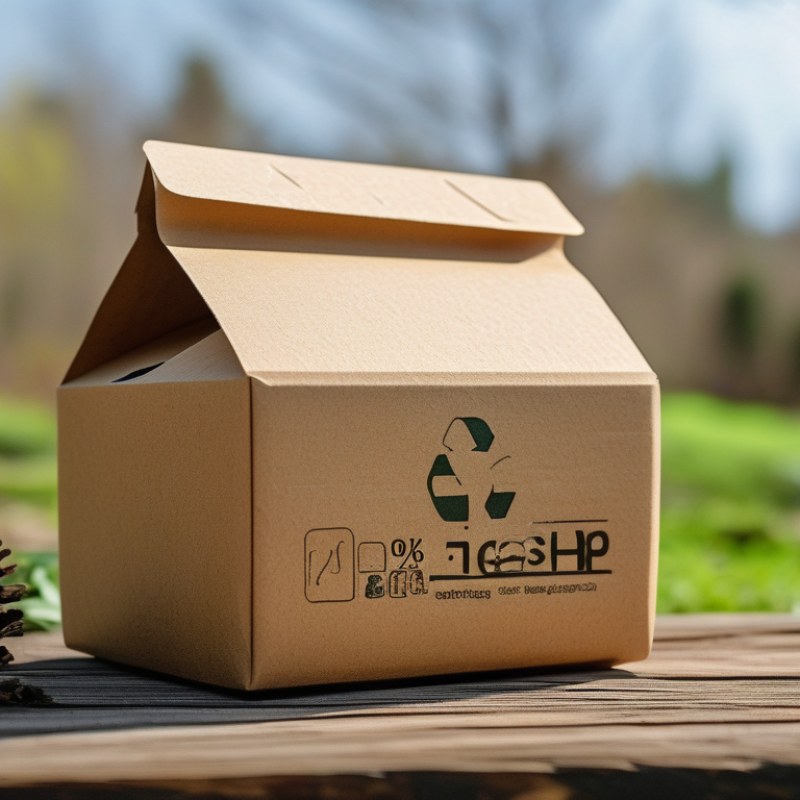
Choosing 100% biodegradable paper for packaging is a significant step toward sustainability. This material is made from natural fibers, ensuring that it decomposes efficiently without leaving harmful residues. Unlike plastic, biodegradable paper can return to the earth without causing long-term environmental damage. It supports a circular economy where materials are reused and recycled, promoting healthier ecosystems.
Tips: Always look for certifications that guarantee the biodegradability of the paper. This ensures the product meets environmental standards. Even small choices can lead to lasting impacts.
Biodegradable paper offers excellent print quality for branding. Its ability to absorb inks well enhances visual appeal. You can customize it with designs that resonate with your audience. However, it’s essential to consider the longevity of your packaging. In humid conditions, biodegradable paper may not perform as well as expected. Adjust your storage and transport methods accordingly.
Tips: Conduct regular assessments on your packaging efficiency. Make adjustments based on product feedback and environmental impact reports. Your efforts can inspire others in the industry to follow suit.
The rise of environmental consciousness has led to a shift in packaging materials. Traditional packaging, often made from plastics and non-degradable materials, poses significant environmental threats. A report by the Environmental Protection Agency (EPA) indicates that about 30% of municipal solid waste is attributed to packaging. This waste can take hundreds of years to decompose, contributing to landfill overcrowding and pollution.
In contrast, 100% biodegradable paper presents a compelling alternative. According to industry research, biodegradable packaging breaks down within months under the right conditions. This allows for a quicker return to nature, reducing landfill burdens. Additionally, a study published in the Journal of Cleaner Production shows that paper, when sourced sustainably, can reduce greenhouse gas emissions by over 50% compared to traditional plastic. However, it's important to note that not all biodegradable materials are created equal. Some may require specific industrial composting conditions to degrade effectively, leading to potential misconceptions about their environmental friendliness.
The transition to biodegradable paper is not without its challenges. Cost remains a factor, as suppliers may charge more for eco-friendly options. Companies must weigh these costs against environmental benefits. Furthermore, consumer awareness and education are essential. A perceived lack of effectiveness could deter businesses from making the switch. Moving forward, it’s crucial to encourage dialogue around these issues and drive innovation for sustainable solutions in packaging.
The choice of 100% biodegradable paper for sustainable packaging is crucial for reducing environmental impact. Studies indicate that traditional plastic packaging contributes significantly to global waste, with approximately 300 million tons produced annually. Biodegradable paper, in contrast, decomposes naturally within weeks or months, significantly lessening landfill pressure.
Using biodegradable materials can cut pollution levels effectively. The U.S. Environmental Protection Agency reports that paper takes up 25% of landfill mass but can be processed into compost for soil health. Opting for biodegradable options not only helps minimize waste but promotes a circular economy. However, it’s essential to ensure proper disposal. Many still confuse recycling and composting, leading to contaminating recycling streams.
Tips: Always check local guidelines for composting. Some biodegradable papers require specific conditions to break down. Educate consumers on disposal methods for maximum environmental benefits. Also, balance convenience with sustainability; simple choices can reduce the carbon footprint substantially. Remember, not all biodegradable products are created equal. Do research to understand certifications and environmental claims.
As consumer awareness grows, the demand for sustainable packaging options like 100% biodegradable paper rises. Many shoppers now actively seek out eco-friendly choices. They want to reduce their environmental impact. A survey revealed that over 70% of consumers prefer brands that prioritize sustainability. This growing interest influences purchasing decisions.
Tips for Brands: Emphasize your use of biodegradable materials in marketing. Highlight the benefits of such packaging, not just for the planet but for consumers. Transparency is key. Share stories about sourcing materials and production processes. Authentic communication builds trust.
Despite this trend, many consumers still struggle to understand labels and certifications. Confusion about terms like "biodegradable" and "compostable" can lead to skepticism. It’s vital for brands to educate their audience. Create detailed guides or FAQs to clarify these concepts. This adds value and reinforces credibility in a crowded market.
The packaging industry is undergoing a significant transformation with 100% biodegradable paper. This innovative material breaks down naturally, minimizing environmental impact. Traditional packaging contributes to pollution, while biodegradable options promote sustainability. Innovations in this sector focus on enhancing the durability and functionality of paper without sacrificing the planet's health.
Recent advancements include the development of water-resistant biodegradable coatings. These coatings protect products while ensuring the packaging remains eco-friendly. Scientists are also experimenting with plant-based fibers. This reduces reliance on trees, using renewable resources instead.
Tips: When selecting biodegradable paper, consider its source. Look for materials made from post-consumer waste. This choice supports recycling and contributes to a circular economy.
Additional innovation comes from integrating natural dyes and inks. This commitment helps in creating packaging that is not only functional but also aesthetically pleasing. Still, there are challenges, such as availability and cost compared to conventional materials. These aspects should be considered for widespread adoption. Always weigh the benefits against potential drawbacks for a responsible choice.
: Biodegradable paper decomposes naturally, reducing long-term environmental damage compared to plastic. It supports a circular economy.
Look for certifications ensuring biodegradability. This guarantees environmental standards are met.
Yes, biodegradable paper provides excellent print quality and absorbs inks well for appealing designs.
Humid conditions can impact performance. Adjust storage and transport methods for best results.
Confusing recycling and composting can contaminate streams. Educating consumers ensures maximum environmental benefits.
It decomposes within weeks or months, significantly reducing landfill pressure compared to traditional plastic.
Yes, recent advancements include water-resistant coatings and plant-based fibers to enhance durability while being eco-friendly.
Source it from post-consumer waste to support recycling efforts and contribute to a circular economy.
Availability and cost can be obstacles. Weigh benefits against drawbacks for responsible choices.
Simple decisions in packaging can lead to substantial reductions in carbon footprints and promote sustainability.
100% Biodegradable Paper has emerged as a leading choice for sustainable packaging solutions due to its numerous benefits. Unlike traditional packaging materials, biodegradable paper minimizes environmental impact by significantly reducing waste and pollution. The shift towards 100% Biodegradable Paper not only addresses the pressing need for eco-friendly alternatives, but it also aligns with growing consumer demand for sustainable options, as many individuals are becoming increasingly aware of their environmental footprint.
Moreover, the innovations in the biodegradable paper industry continue to enhance its functionality and versatility, making it a compelling choice for both businesses and consumers. By opting for 100% Biodegradable Paper, companies can demonstrate their commitment to sustainability while also meeting the changing preferences of their customers, ultimately contributing to a healthier planet.
UPG International