In today's environmentally conscious world, businesses face increasing pressure to adopt sustainable practices. One effective solution is Compostable Food Packaging. According to Dr. Emily Green, a leading expert in sustainable materials, "Switching to compostable alternatives is not just beneficial; it can redefine a brand's commitment to the environment." This statement underscores the potential impact of making the right choices.
Compostable Food Packaging offers a viable way to reduce waste. Unlike traditional packaging, which lingers in landfills, these materials break down naturally, enriching soil rather than harming it. As businesses seek to attract eco-minded consumers, adopting compostable options can enhance their market appeal. Yet, the transition is not without challenges. Many companies grapple with availability and cost. Finding the right suppliers can be a daunting task.
Despite these challenges, the advantages of Compostable Food Packaging are clear. It aligns business practices with a growing consumer demand for sustainability. Customers are keen on supporting brands that prioritize the environment. Making this shift can elevate brand loyalty and awareness. However, businesses must remain vigilant to ensure the effectiveness of the materials they choose, aiming for genuine sustainability rather than superficial gestures.
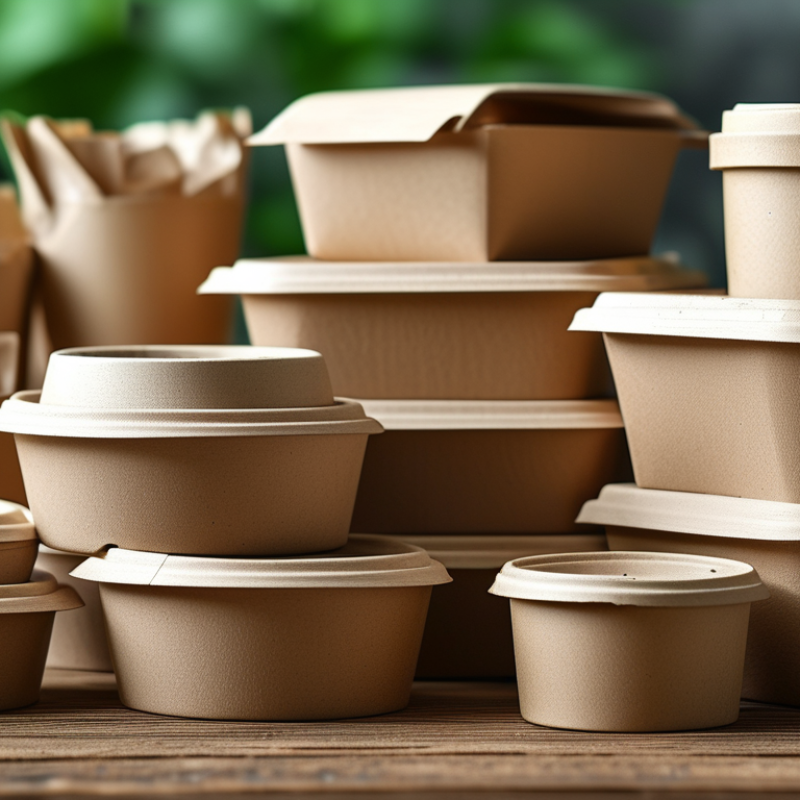
Traditional food packaging materials have a significant environmental impact. Plastic, commonly used, does not decompose easily. It can take hundreds of years to break down, leading to massive waste in landfills and oceans. This waste harms wildlife and pollutes ecosystems. Plastic pollution affects marine life, with animals mistaking plastic for food. This ingestion can be fatal and disrupts entire food chains.
Moreover, the production of plastic generates harmful emissions. It contributes to climate change and affects air quality. The extraction of fossil fuels, used in making plastic, further depletes natural resources. Many businesses ignore the long-term costs of traditional packaging. While it may seem cheaper upfront, the environmental consequences are daunting. Businesses must rethink their packaging choices to mitigate these impacts.
Some companies still struggle to transition to more sustainable practices. It requires investment and time, but the benefits are substantial. Choosing compostable packaging can significantly reduce carbon footprints. It aligns with growing consumer demand for eco-friendly options. Consumers are increasingly aware of their choices and demand transparency. Adopting greener alternatives is not just beneficial for the planet; it can enhance a brand's reputation as well.
| Packaging Type | Environmental Impact (Carbon Footprint kg CO2e) | Biodegradation Time (Months) | Recyclability |
|---|---|---|---|
| Traditional Plastic | 6.0 | >500 | Limited |
| Compostable Plastic | 3.5 | 3-6 | Yes |
| Paper Packaging | 2.0 | 2-6 | Yes |
| Styrofoam | 15.0 | >500 | No |
| Biodegradable Materials | 4.0 | 6-12 | Yes |
: Traditional food packaging, especially plastic, takes hundreds of years to decompose. It harms wildlife and pollutes ecosystems.
Marine animals often mistake plastic for food, leading to fatal ingestion. This disrupts entire food chains and biodiversity.
The production of plastic releases harmful emissions. It contributes to climate change and worsens air quality.
Approximately 14 million tons of plastic waste finds its way into oceans annually, posing serious threats to marine life.
It's a vast area in the ocean filled with plastic waste, symbolizing the severity of our plastic pollution problem.
Compostable packaging breaks down naturally. It generates significantly fewer greenhouse gas emissions than traditional plastics.
Transitioning requires investment and time. Many underestimate the long-term environmental costs associated with traditional packaging.
Consumers can demand transparency and eco-friendly options. Their awareness influences businesses to adopt greener practices.
No, it's not perfect, but it's a step toward sustainability. Reflecting on choices is essential for a healthier planet.
They must rethink their packaging choices. Focusing on sustainability can improve their reputation and align with consumer demand.
Compostable Food Packaging is emerging as a vital solution for businesses looking to mitigate the environmental impact of traditional food packaging materials. With alarming statistics highlighting the vast amounts of plastic waste affecting our oceans, the urgent need for sustainable alternatives has never been clearer. Compostable packaging significantly reduces the carbon footprint associated with food delivery and consumption, aligning with growing consumer demands for eco-friendly options.
Moreover, adopting Compostable Food Packaging is not just an environmentally responsible choice but also a financially sound strategy. As businesses transition to these materials, they can expect long-term cost savings through reduced waste management expenses and an enhanced brand image, appealing to an increasingly eco-conscious market. In summary, the shift towards compostable solutions represents both a positive environmental initiative and a prudent business decision.

 UPG International