How to Choose the Best PE Coated Paper Supplier?

Time:2026-09-09 Author:Liam
0%

Choosing the right Pe Coated Paper supplier requires more than comparing prices on a spreadsheet. The paper must perform reliably during printing, folding, filling, storage, and transport. A supplier’s technical knowledge should be visible in its answers. Ask about coating weight, base paper grade, moisture resistance, heat-sealing behavior, and printing compatibility. Request recent test data, not only general claims.

Practical evaluation begins with samples. Examine the surface under bright light. Check whether the coating feels even, without pinholes, streaks, or curled edges. Run the material through your actual equipment when possible. Small differences can cause jams, weak seals, or unwanted odor. These details matter.

Supplier experience also deserves close attention. Review production capacity, quality-control procedures, raw-material traceability, and delivery records. Confirm whether certificates apply to the specific Pe Coated Paper grade you plan to purchase. Food-contact documentation should be current and verifiable, rather than copied from an unrelated product. A factory audit, video inspection, or independent laboratory test may reveal more than a polished brochure.

Communication is another practical test. Reliable suppliers explain limitations clearly and provide realistic lead times. They should discuss minimum order quantities, packaging protection, complaint handling, and corrective actions. No supplier is perfect. Even experienced buyers can overlook storage conditions or seasonal humidity. That is why a written specification, approved sample, and small trial order remain valuable safeguards. The best choice balances performance, consistency, transparency, and long-term cooperation—not merely the lowest quotation.
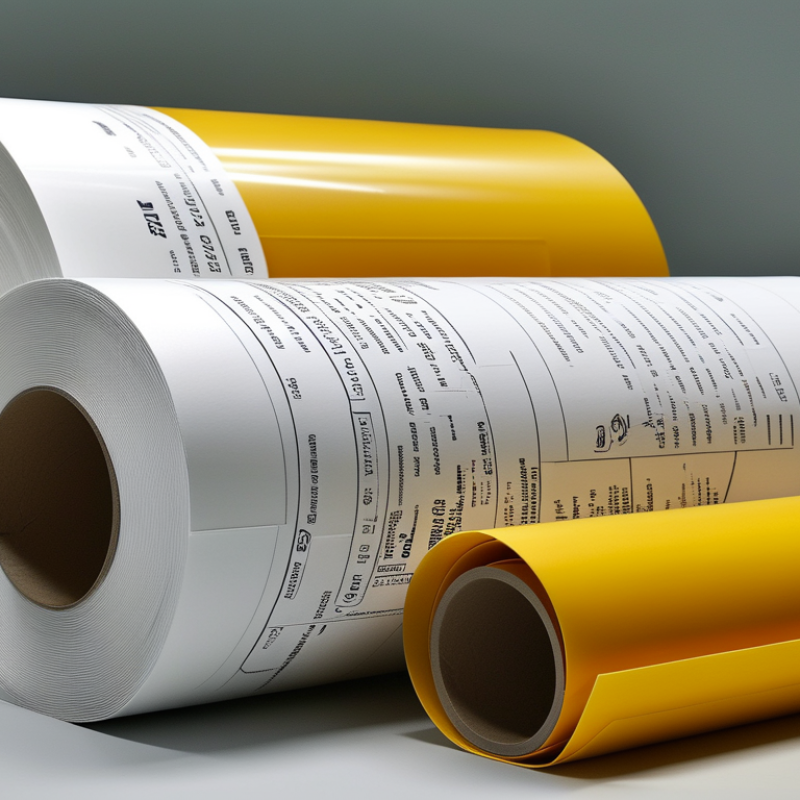
How to Choose the Best PE Coated Paper Supplier?

What Is PE Coated Paper and Why Does Supplier Selection Matter?

PE coated paper is paper treated with a thin polyethylene layer. The coating improves resistance to water, grease, and leakage. It supports cups, takeaway boxes, frozen-food packs, and other demanding applications. However, PE can complicate recycling when the paper fiber and plastic are difficult to separate. The U.S. Environmental Protection Agency reported a 68.2% recycling rate for paper and paperboard in 2018. That figure does not guarantee every coated product will be recovered.

Supplier selection matters because coating quality affects both performance and waste. A reliable supplier should explain the PE grade, coating weight, paper basis weight, and production tolerances. Ask for migration test results, batch records, and evidence from real packaging trials. CEPI’s 2023 statistics recorded 79.5 million tonnes of paper and board production in Europe. At this scale, small variations can create serious production losses. I have learned that a glossy sample can hide weak heat-sealing or uneven coating. Samples can mislead. Request several production batches.

Tips: Compare suppliers using the same test conditions. Check Cobb values for water resistance, seal strength, curl, odor, and print adhesion. Confirm whether the supplier supports your local recycling route. Ask how rejected rolls are handled. A perfect checklist does not exist. Your application may reveal problems that laboratory tests miss. Supplier visits, transparent documentation, and independent testing provide stronger evidence than sales claims.

Which Technical Specifications Should You Compare Before Choosing a Supplier?

Choosing a PE coated paper supplier requires more than comparing price per ton. Global paper and paperboard production reached about 415 million tonnes in 2022, according to FAO Forestry Production and Trade data. At this scale, small specification differences can create major performance problems.

Start with basis weight, PE coating weight, and tolerance limits. Ask for test results, not only a product brochure. A supplier should state whether coating weight is measured by gravimetric testing or another validated method. Compare Cobb60 water absorption values under ISO 535. Lower absorption usually supports better moisture resistance, but excessive coating can reduce recyclability and print adhesion. Check tensile strength, stiffness, and elongation in both machine and cross directions. The roll should not curl after storage.

Heat sealing needs closer attention. Compare seal initiation temperature, hot-tack strength, dwell time, and sealing-window width. A low coating weight may look attractive. It can still fail at the sealing jaw. Request actual production samples tested at your line speed, not laboratory sheets alone. For barrier applications, review water vapor transmission rate and oxygen transmission rate, using the same test conditions. Otherwise, the numbers are difficult to compare.

Supplier reliability also appears in details. Review lot-to-lot variation, roll width tolerance, moisture content, core dimensions, and certificate-of-analysis procedures. Smithers’ paper-based packaging market outlook identifies barrier performance and material efficiency as continuing development priorities. I would not treat that as proof of quality. Audited data, retained samples, and a documented corrective-action process matter more. One overlooked item remains ink compatibility; it often appears only after printing begins.

How Can You Evaluate a Supplier’s Quality, Certifications, and Production Capacity?

How to Choose the Best PE Coated Paper Supplier?

A reliable evaluation begins with the coated paper itself. Request samples from different production batches, not only a carefully selected sheet. Check coating coverage, surface smoothness, paper weight, curl, pinholes, and coating adhesion. A simple fold test can reveal cracking. Water resistance should match your intended application, rather than vague marketing claims. Ask for measurable test results and the testing methods used.

Certifications deserve careful review. Confirm the certificate number, issuing body, validity period, and covered production site. ISO 9001 may indicate controlled processes, but it does not prove every product meets your requirements. For food-contact applications, request relevant compliance documents for the destination market. Chain-of-custody certification can support responsible sourcing claims, when applicable. Do not accept a logo alone. Verify the scope.

Production capacity involves more than machine speed. Ask about monthly output, coating-line width, maintenance schedules, quality-control staffing, and backup equipment. Review typical lead times during busy seasons. A capable supplier should explain how it handles rejected rolls, batch traceability, and urgent changes. Factory photos can look impressive. They can also hide operational weaknesses. Request a recent audit report or arrange a practical site inspection. No review is perfect; a small trial order may reveal more than a polished presentation. Consistent communication, clear records, and honest answers often indicate dependable cooperation.

What Factors Affect PE Coated Paper Pricing, Customization, and Delivery?

How to Choose the Best PE Coated Paper Supplier?

PE coated paper pricing begins with the paper base, coating weight, resin grade, and order volume. FAO’s 2023 forest products statistics recorded roughly 420 million tonnes of global paper and paperboard production. That scale does not guarantee stable prices. Pulp, energy, polyethylene, labor, and currency movements still affect each quotation. A supplier should show coating weight in grams per square meter, not only provide a total price. Small differences matter.

Customization adds cost through printing plates, color control, die-cutting, and minimum order quantities. For example, a cup-stock specification may require different stiffness than wrapping paper. Food-contact documentation, migration testing, and moisture resistance can also extend lead times. Industry packaging research from Smithers indicates that sustainability requirements are reshaping paper packaging design through 2028. However, recyclable or fiber-based options may need trials before mass production. That part is often underestimated.

Delivery depends on production capacity, inspection procedures, port schedules, and freight conditions. The Drewry World Container Index regularly shows significant weekly changes in container shipping costs, so freight should be quoted with validity dates. Ask for a production schedule, inspection checkpoint, packing details, and a realistic buffer. Not an optimistic promise. In my experience, the lowest quote can become expensive after rework, delays, or unusable rolls. I could be wrong on a first order, because every coating line behaves differently. Requesting a small trial batch is usually wiser than trusting a spreadsheet alone.

How Should You Verify Supplier Reliability Before Placing an Order?

A supplier’s website can look polished, but appearance proves little. Before ordering PE coated paper, request recent samples with clear specifications. Check paper weight, PE coating weight, thickness, surface smoothness, and roll or sheet dimensions. Compare the sample with the technical data sheet. Small differences can affect printing, folding, sealing, and machine performance.

Ask for production records, quality inspection reports, and material traceability documents. A reliable supplier should explain where the base paper comes from and how each batch is controlled. Request test results for coating adhesion, moisture resistance, heat sealing, and applicable food-contact requirements. Do not accept vague statements such as “premium quality.” Exact figures matter. If possible, arrange a video inspection or an independent factory audit. Photos are useful, but they can hide problems.

Speak with recent customers who purchased similar grades and volumes. Ask about delivery accuracy, complaint handling, and replacement procedures. A supplier who avoids these questions may create trouble later. Confirm production capacity, lead time, packaging methods, and payment terms in writing. I once treated a successful sample as enough evidence, and that was a mistake. The bulk shipment behaved differently on the production line. A second trial batch would have exposed the issue earlier. Reliability is not a feeling. It is documented performance repeated over time.

How to Choose the Best PE Coated Paper Supplier? - How Should You Verify Supplier Reliability Before Placing an Order?

Verification Dimension What to Verify Recommended Evidence Suggested Weight Practical Acceptance Benchmark Risk Level
Product Specification Control Confirm base-paper grade, PE coating side, total basis weight, coating weight, roll or sheet dimensions, and tolerance limits. Approved technical specification, product data sheet, certificate of analysis, and pre-production sample. 15% All critical specifications are documented, measurable, and consistent between the quotation, sample, and purchase order. High
PE Coating Performance Evaluate coating uniformity, pinholes, adhesion, moisture resistance, heat-sealing behavior, and suitability for the intended converting process. Laboratory test results, sample-conversion trial, coating inspection records, and agreed test methods. 15% No visible coating defects; performance meets the buyer's application-specific test limits under defined conditions. High
Food-Contact Compliance For food packaging, verify that the paper, polyethylene coating, inks, adhesives, and processing aids are suitable for the intended food-contact use and market. Current declarations of compliance, migration-test reports, material composition statement, and applicable regulatory references. 15% Documentation covers the actual product configuration, intended food type, contact conditions, and destination market. High
Quality Management System Assess documented procedures for incoming inspection, process control, final inspection, nonconformity handling, and corrective action. Valid quality-system certificate where applicable, audit report, inspection plan, control records, and corrective-action examples. 12% The supplier can trace quality decisions to documented procedures and provides objective records rather than verbal assurances. High
Raw-Material Traceability Check whether each production lot can be traced from pulp or paper input through coating, inspection, packing, and shipment. Lot-number system, batch records, production logs, pallet labels, and sample traceability exercise. 10% A retained sample or shipment record can be linked to production date, raw materials, test results, and packing information. Medium
Production Capacity Verify coating-line capability, monthly capacity, available production windows, minimum order quantity, and ability to handle repeat orders. Capacity statement, production schedule, equipment list, order-planning procedure, and references for comparable specifications. 10% Capacity is supported by production resources and a realistic lead-time commitment, not only by a sales quotation. Medium
Delivery Reliability Review quoted lead time, on-time delivery history, communication during delays, and packaging protection during transport. Anonymized delivery-performance records, shipment schedule, packaging specification, and written escalation process. 10% Supplier defines order-confirmation, production, inspection, dispatch, and delay-notification milestones. Medium
Pre-Shipment Inspection Confirm inspection frequency, sampling method, testing equipment, defect classification, and release authorization. Inspection and test plan, inspection report template, calibration records, and retained-sample procedure. 8% Each shipment is released against agreed specifications with a lot-specific inspection record. Medium
Sustainability Documentation Verify fiber sourcing claims, recycled-content claims, PE material information, waste handling, and end-of-life communication. Chain-of-custody certificate where claimed, recycled-content statement, environmental data, and material-composition declaration. 3% Environmental claims are specific, current, verifiable, and clearly separated from unsupported marketing language. Low
Commercial and Contract Terms Review quotation validity, payment terms, tolerance clauses, claims period, replacement or refund process, and responsibility for nonconforming goods. Formal quotation, sales contract, purchase-order terms, quality agreement, and documented complaint procedure. 2% Technical, commercial, and remedial obligations are written clearly before the deposit or full payment is made. Low
Total Recommended Evaluation Weight 100% Place an order only after all high-risk items are satisfactorily verified.
Recommended Decision Rule: Request samples first, conduct application testing, validate lot-level documentation, and use a pilot order before committing to a long-term supply agreement. Treat certificates and test reports as verification documents that must match the actual product, production site, intended application, and destination market.

FAQS

: What is PE coated paper?

: It is paper covered with a thin polyethylene layer. The coating improves resistance to water, grease, and leakage. Common uses include cups, takeaway boxes, and frozen-food packaging.

Why does supplier selection matter?

Coating quality affects sealing, printing, durability, and waste. Uneven coating can cause leaks or weak seals. A glossy sample proves very little.

Which specifications should buyers compare?

Compare paper basis weight, coating weight, tolerances, stiffness, tensile strength, and moisture content. Check coating measurements from validated tests. Small differences can disrupt high-speed production.

How can water resistance be tested?

Request Cobb60 water absorption results under identical test conditions. Lower absorption usually supports stronger moisture resistance. Too much coating may reduce print adhesion and recyclability.

What sealing information should a supplier provide?

Review seal initiation temperature, hot-tack strength, dwell time, and sealing-window width. Test production samples at your actual line speed. Laboratory sheets may behave differently.

How can buyers check sample quality?

Request samples from several production batches. Inspect coating coverage, pinholes, curl, smoothness, and adhesion. Fold the paper gently.Cracking reveals weakness.

How should certifications and compliance documents be evaluated?

Verify the certificate number, issuing body, validity period, and covered factory. For food-contact packaging, request documents for the destination market. A logo alone is not enough.

How can production capacity and reliability be assessed?

Ask about monthly output, coating-line width, maintenance, staffing, and backup equipment. Review peak-season lead times and batch traceability. A small trial order may expose problems.

Does PE coated paper always recycle easily?

No. Paper fibers and plastic can be difficult to separate. Ask whether the product fits your local recycling route. Recycling rates for ordinary paper do not guarantee coated packaging recovery.

Conclusion

Choosing the best Pe Coated Paper supplier requires more than comparing prices. Pe coated paper combines a paper base with a polyethylene layer that improves moisture resistance, strength, and suitability for packaging or food-service applications. Before selecting a supplier, compare key specifications such as paper weight, coating thickness, surface finish, stiffness, printability, roll or sheet dimensions, and tolerance consistency. These details should match your product requirements and intended production process.

A reliable supplier should provide clear quality-control procedures, relevant certifications, product samples, and evidence of stable production capacity. Pricing should be evaluated alongside customization options, minimum order quantities, packaging, shipping, and lead times, since lower unit costs may not deliver the best overall value. Before placing an order, verify the supplier’s communication, sample performance, manufacturing capabilities, delivery record, and after-sales support. A trial order and documented quality agreement can help reduce risk and confirm that the supplier can consistently meet your specifications.

Liam

Liam

Liam is a dedicated marketing professional with a profound expertise in the industry, where he excels at highlighting the unique advantages of our core products. With a keen understanding of market trends and consumer needs, Liam frequently updates our company’s professional blog, providing......