Top 10 Benefits of Food Packaging Board for Global Buyers?

Time:2026-04-16 Author:Ethan
0%

Food packaging plays a crucial role in the global market. The "Food Packaging Board" is essential for manufacturers and consumers alike. According to a report by Grand View Research, the global food packaging market is expected to reach $650 billion by 2028. This statistic underscores the importance of effective packaging in preserving food and reducing waste.

Experts emphasize the value of high-quality packaging materials. Mark Thompson, a food packaging specialist, states, "Proper packaging can significantly extend the shelf life of food products." Such insights highlight why buyers should consider food packaging solutions carefully.

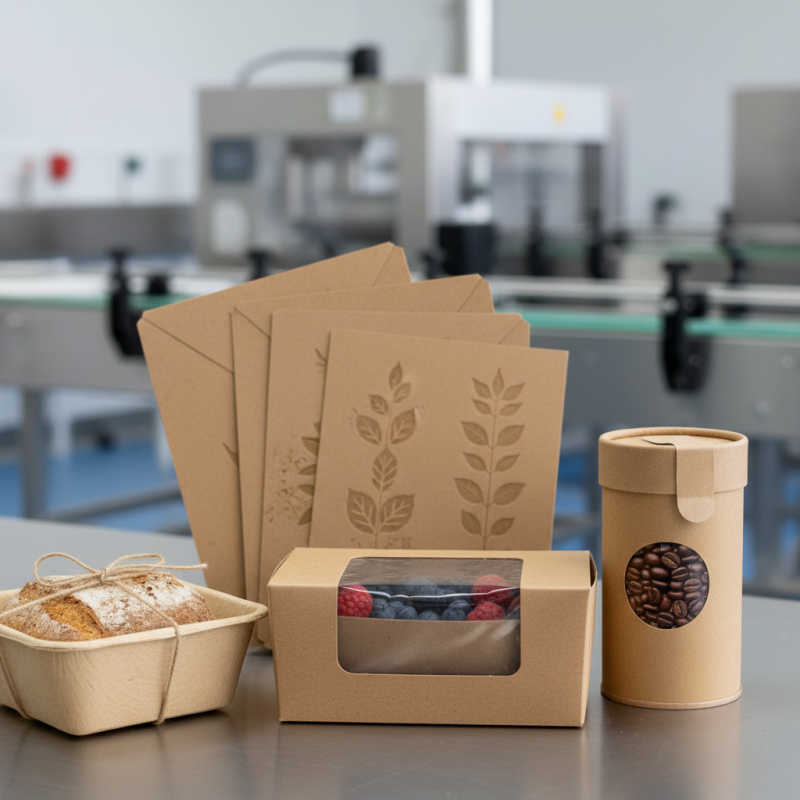
Benefits of using the Food Packaging Board include enhanced protection against physical damage and contamination. It also helps minimize food spoilage, making it environmentally friendly. Despite the advantages, challenges in recycling and sustainability remain. Buyers must reflect on these issues when choosing packaging solutions. A balance between functionality and environmental impact is necessary for long-term success.
Top 10 Benefits of Food Packaging Board for Global Buyers?

The Role of Food Packaging Board in Enhancing Product Shelf Life

Food packaging board plays a crucial role in enhancing the shelf life of products. By providing an effective barrier against moisture, light, and oxygen, it preserves the freshness of food items. This is essential for maintaining flavor and texture. Many products can spoil quickly if not properly packaged. The right packaging materials can significantly extend their usability.

Additionally, food packaging board can aid in temperature control. Insulated packages help maintain ideal conditions for perishable goods. This is particularly important during transportation. Ensuring a stable temperature can reduce spoilage rates and waste. Suppliers can rely on such packaging to maintain quality from production to market.

However, it's important to consider the trade-offs. Not all packaging materials are eco-friendly, raising concerns about sustainability. Buyers face the challenge of balancing product protection with environmental impact. As awareness grows, the demand for sustainable materials increases. This shift highlights the need for ongoing innovation in food packaging solutions. Embracing new materials can support both product integrity and environmental responsibility.

Key Factors Driving Demand for Food Packaging Board Among Global Buyers

The demand for food packaging boards is on the rise globally. According to a recent market analysis, the food packaging sector is expected to grow by nearly 4.5% annually through 2028. This growth is largely driven by increased consumer emphasis on sustainability and environmental impact. Many buyers are prioritizing recyclable materials to reduce waste and drive circular economies.

Safety and hygiene continue to be critical factors influencing purchases. Reports indicate that foodborne illnesses affect 1 in 10 people globally. The need for packaging that ensures product safety has never been more urgent. Standards and regulations dictate packaging materials to protect food effectively from contamination. This is shaping buyer preferences significantly.

Additionally, the e-commerce boom is affecting packaging choices. Online food retail is rising, revealing the necessity for robust packaging solutions. Industry reports show that about 60% of consumers consider the packaging's integrity crucial when ordering food online. In this environment, packaging must not only be functional but also visually appealing to capture attention in a crowded marketplace. Understanding these dynamics is essential for buyers navigating this evolving landscape.

Top 10 Benefits of Food Packaging Board for Global Buyers

Benefit Description Impact on Demand
Sustainability Eco-friendly materials reduce carbon footprint. High demand as consumers seek environmentally friendly options.
Cost Efficiency Bulk purchasing and reduced waste lead to lower costs. Increased interest from businesses looking to cut costs.
Branding Customizable designs improve brand recognition. Stronger demand as companies emphasize packaging design.
Protection Enhances shelf life and product integrity. Increased necessity for quality assurance among buyers.
Convenience User-friendly packaging ensures ease of use. Growing trend as consumers prioritize convenience.
Innovation Technological advancements in packaging materials. High competitiveness in market for innovative solutions.
Regulatory Compliance Ability to meet local and international standards. Increased compliance-related purchases from buyers.
Health Safety Non-toxic materials support food safety. Rising demand for safe packaging solutions.
Market Versatility Applicable across various food categories. Increased appeal to a broad range of buyers.
Consumer Demand Growing preference for quality packaging among consumers. Direct influence on business purchasing decisions.

Environmental Impact: Sustainable Benefits of Food Packaging Board

Food packaging boards play a crucial role in reducing environmental impact. They are often made from renewable resources, like recycled paper. This materials choice supports the recycling industry and minimizes waste. When consumers choose food products packaged in these boards, they contribute to a sustainable cycle. However, not every type of packaging board is entirely eco-friendly. The printing, coating, and additional materials can offset some of the advantages.

The lightweight nature of food packaging boards also aids in transportation efficiency. Less weight means fewer fuel emissions during delivery. Companies can save on transportation costs too. Yet, the benefits can vary by region. Some areas may lack recycling facilities, leading to increased waste. Education about proper disposal and recycling methods is vital in such situations. Promoting best practices can enhance the positive impacts of using sustainable packaging solutions.

Cost-effectiveness of Food Packaging Board: A Financial Perspective for Buyers

Food packaging board is gaining traction among global buyers due to its cost-effectiveness. According to a recent analysis by Smithers Pira, the global paper-based packaging market is projected to reach $500 billion by 2025. The increasing demand for sustainable solutions drives this growth. Many manufacturers are opting for food packaging board because it offers a balance of quality and affordability.

Investing in food packaging board can lower overall expenses. A study by Allied Market Research indicates that paperboard packaging can reduce costs by up to 15% compared to other options. This is significant for businesses aiming to enhance their profit margins. Furthermore, food packaging board often requires less material than plastic alternatives. This makes it a more economical choice for bulk packaging needs.

However, reliability is a concern. Some food packaging boards may not provide sufficient moisture and barrier protection. This can lead to spoilage or waste. Companies must carefully assess the specifications before making a purchase. Understanding potential trade-offs in durability and cost is essential for optimizing supply chains. Each buyer's context may influence how these factors play out.

Market Trends: Growth Projections for Food Packaging Board in the Industry

The food packaging board market is witnessing notable growth. According to a recent report by ResearchAndMarkets, the global food packaging board market is projected to reach USD 115 billion by 2028. This growth is driven by increasing consumer demand for sustainable and efficient packaging solutions.

In terms of trends, eco-friendly materials are gaining traction. More brands are opting for renewable resources, reflecting consumer preferences. For instance, the use of recycled paper and cardboard is projected to rise by 25% in the next five years. These trends highlight a shift towards sustainability, influencing purchasing decisions globally.

However, challenges persist in the industry. Despite the growth potential, manufacturers face increasing costs and supply chain disruptions. This calls for reflection on production processes and innovation. The demand for customization is also a double-edged sword. While personalized packaging attracts consumers, it can complicate manufacturing. Balancing efficiency and creativity remains a crucial task for industry players.

FAQS

: What role does food packaging board play in product shelf life?

: It provides barriers against moisture, light, and oxygen, preserving freshness and flavor.

How does food packaging board aid in temperature control?

Insulated packages maintain ideal conditions, crucial during transportation of perishable goods.

Are all food packaging boards eco-friendly?

No, some have printing or coatings that counteract their sustainability benefits.

What benefits does lightweight packaging offer?

It improves transportation efficiency, reducing fuel emissions and costs for companies.

Why is consumer education important for packaging disposal?

Some areas lack recycling facilities, leading to increased waste without proper guidance.

How does food packaging board provide cost-effectiveness?

It often reduces costs by up to 15% compared to other packaging options.

What are the trade-offs when choosing packaging materials?

Some boards may lack adequate moisture protection, risking spoilage or waste.

How does consumer choice influence sustainable packaging?

Choosing products with eco-friendly boards contributes to a sustainable cycle.

What must companies consider about food packaging board reliability?

Assessing barrier protection is crucial to avoid spoilage and ensure product quality.

Conclusion

Food Packaging Board plays a crucial role in enhancing the shelf life of products, making it essential for global buyers seeking quality and durability in packaging solutions. Its demand is driven by various key factors, including the need for effective protection against environmental elements and the rising consumer preference for sustainable materials. This packaging option not only meets functional requirements but also contributes to a company's commitment to eco-friendly practices, thus appealing to environmentally conscious buyers.

Additionally, the cost-effectiveness of Food Packaging Board offers financial advantages, providing an economical choice for businesses aiming to reduce packaging costs without compromising on quality. As market trends indicate a projected growth in the food packaging industry, investing in Food Packaging Board proves to be a strategic decision for global buyers looking to stay competitive while embracing sustainability.

Ethan

Ethan

Ethan is a seasoned marketing professional with a deep expertise in our company's innovative product line. With a passion for sharing knowledge and insights, he takes the lead in regularly updating our corporate blog, where he explores industry trends, product features, and effective marketing......