Choosing a reliable Paper Cup Raw Material supplier affects more than the price on an invoice. It can shape cup strength, print quality, production speed, and the amount of material lost during converting. A paperboard roll may look uniform at the warehouse door, yet small differences in coating, moisture, or thickness can show up on a fast production line. Consistency matters.
This guide introduces ten suppliers serving markets around the world. It considers practical factors such as product range, stated technical specifications, production capacity, delivery coverage, and the clarity of supplier documentation. Buyers should check food-contact declarations, test reports, and quality certificates directly with each company, since availability and requirements can vary by product and destination. Ask for samples, too. A sample run can reveal coating behavior and sealing performance more clearly than a polished brochure.
A list is not a universal ranking. Supplier fit depends on cup design, equipment, order volume, and shipping routes. Even a well-known producer may not suit every converter. That deserves a second look. Information can also change, so readers should verify current details before making purchasing decisions. The profiles ahead are intended as a starting point for comparison, helping procurement teams ask sharper questions and identify suppliers worth evaluating—not as a substitute for technical trials or independent checks.
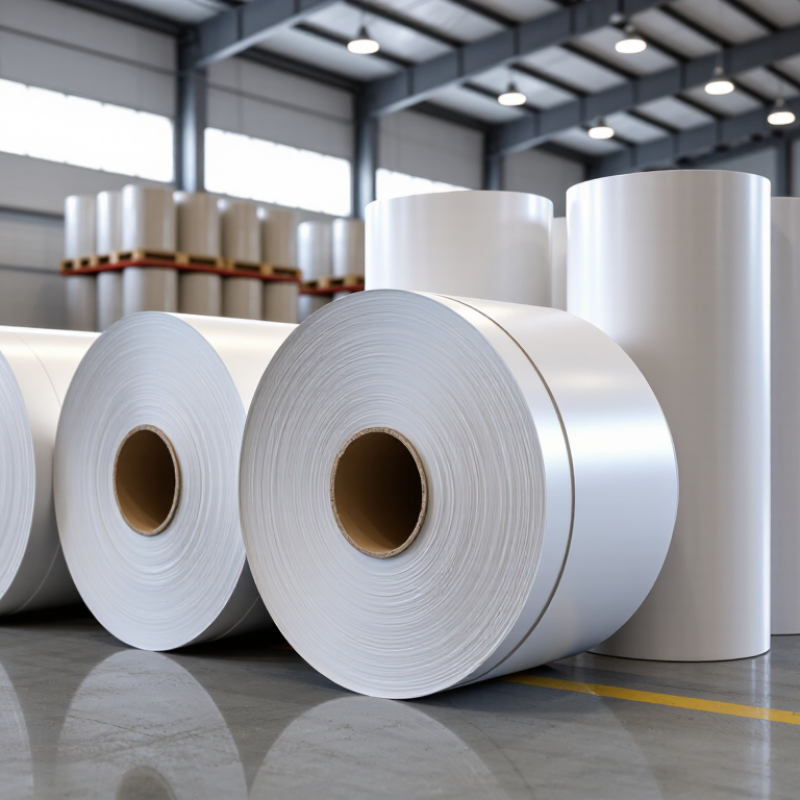
Paper cups depend on more than a stiff sheet of paper. Cupstock board must hold its shape through forming, sealing, filling, and handling. A board that feels sturdy when dry may soften around a hot drink or leak at the side seam. Small details matter. Check basis weight, stiffness, coating consistency, and how the material behaves at the cup’s intended temperature. A few filled samples can reveal wrinkles, weak seams, or a rim that feels rough. There is no single board grade that suits every cup size and use.
Barriers help resist water, oil, or heat, but their performance depends on the full cup design. Ask suppliers what barrier is used, whether it suits the planned beverage, and how seams are sealed. Food-contact suitability needs equal attention. Request current material declarations and relevant test records for the intended use and destination market; requirements can differ by region. I would not rely on a broad “food safe” claim alone. Check that documents cover inks, coatings, adhesives, and recycled content where applicable. A neat specification sheet is useful, but it cannot replace testing the finished cup. Even careful sourcing leaves room for surprises, so verify each production batch against agreed criteria.
Cupstock grammage commonly ranges from 170 to 350 g/m², but the right grade depends on cup size, shape, and use. Lighter stock may suit small cups for cool drinks, while heavier board can add stiffness to larger cups or hot-drink formats. These are starting points, not fixed rules. A 250 g/m² sheet from one mill may handle differently from another because fiber mix, caliper, and forming quality also matter. Weight is not everything.
When comparing suppliers, ask for the grammage tolerance and test data for stiffness, moisture, and coating performance. A sample should run through your forming line, then be checked for side-seam bonding, rim curl, and leakage with the intended drink temperature. Feel the finished cup, too: a firm rim and stable base are useful clues, though hand checks cannot replace production testing. I would not choose a grade from its specification sheet alone; that shortcut can miss problems that appear only at speed.
Tips: Request samples near your target grammage and one grade above or below. Compare them using the same cup dimensions and filling conditions. Confirm that the board’s food-contact documentation matches your market and intended use. If your first trial looks fine, repeat it; small changes in humidity can affect results.
Illustrative basis-weight bands within the commonly cited 170–350 g/m² cupstock range
The bands are visual guides, not standardized grades or supplier-specific specifications. The appropriate grammage depends on cup design, intended use, coating, and performance requirements.
FAO’s Global Forest Products Facts and Figures 2022 reports 401 million tonnes of paper and paperboard production worldwide. This figure shows the scale behind paper-cup sourcing, but it does not measure cup-grade material alone. The total includes many grades, from printing paper to packaging board. Scale matters. Cup manufacturers need stock with consistent weight, stiffness, surface quality, and documented suitability for food contact.
CEPI’s Key Statistics 2022 reports a 71.4% paper recycling rate in Europe. This regional figure describes paper recovery, not how much recovered fiber becomes new cups. Many cup structures combine paper with a barrier layer, so collection systems and mill processes affect whether the material can be recovered. The distinction matters. A large global paper supply does not automatically mean a dependable supply of cup stock.
For buyers comparing suppliers worldwide, production capacity is only one part of the picture. Ask for specifications by grade, evidence of batch consistency, and clear information about fiber origin. Check lead times and the supplier’s ability to maintain the same quality across shipments. These checks can feel routine, perhaps even overly cautious. But a small variation in stiffness or moisture response can disrupt forming on a fast production line.
A supplier’s stated capacity should match your order pattern, not just a large annual figure. Ask for monthly output, lead times, minimum order quantities, and backup plans during peak seasons. Request a sample production schedule and compare it with your forecast. A factory may meet a trial order but struggle with repeated deliveries. That gap matters.
Check coating options against the cup’s actual use. Ask how coatings perform with hot drinks, oily liquids, and the planned sealing process. Request test results for leakage, heat resistance, and converting performance. Confirm that coating claims suit your disposal requirements and can be supported by documentation. Details matter. A coating that works on one paper grade may behave differently on another.
Certifications should be current and relevant to the material and production site. Verify their scope and issuing body rather than relying on a logo in a brochure. Traceability is equally practical: ask whether each shipment links to a batch number, production date, material records, and quality checks. Try tracing one sample lot through those records. A spreadsheet can look reassuring; it cannot show whether every shift follows the same controls. No checklist is perfect, so leave room for follow-up questions and independent verification.
Worldwide paper-cup material suppliers differ less by headline capacity than by what their mills can deliver consistently. The core product is cupstock: stiff paperboard, often supplied with a moisture-resistant lining or coating. Some producers focus on virgin-fibre grades for smooth forming and crisp printing; others offer recycled-content options, where strength and food-contact suitability should be checked grade by grade. Small details matter. A sample sheet may feel sturdy, yet still curl after a hot-water test.
East Asian and South Asian manufacturers serve large converting bases and export markets, while European and North American suppliers often emphasize technical specifications, traceability, and established distribution. Producers in Latin America and other sourcing regions can offer useful regional access, though availability, lead times, and coating choices vary by mill. Ten-supplier comparisons should examine cupstock weight, barrier type, roll width, print surface, and minimum order size—not just quoted price. Ask for current datasheets and trial rolls, then test them on your own forming line. That takes time. Regional reach alone does not guarantee dependable delivery, and published capacity can be difficult to compare. Supplier lists need periodic review, even when a ranking looks settled.
Scope: This anonymized overview presents ten supplier segments rather than named companies or a verified company ranking. Regional reach refers to common production and trade hubs; availability, specifications, and food-contact suitability vary by supplier and market.
| No. | Supplier Segment | Typical Products | Role in Paper Cup Supply | Common Production and Trade Regions | Important Considerations |
|---|---|---|---|---|---|
| 1 | Paperboard mills producing cupstock | Food-service paperboard reels and sheets, including coated or uncoated cupstock grades | Provide the paperboard base that is formed into cup bodies and, in some formats, cup bottoms | East Asia, Europe, North America, and South Asia | Board stiffness, formation, moisture resistance, and compatibility with the selected coating affect converting performance. |
| 2 | Virgin-fiber paperboard producers | Bleached kraft pulp-based board and other virgin-fiber grades used in food-service packaging | Supply baseboard commonly selected for its print surface, strength, and suitability for converting into cups | North America, Northern Europe, Brazil, and East Asia | Fiber origin, mill specifications, and applicable food-contact requirements should be checked for each grade. |
| 3 | Market-pulp producers | Bleached hardwood and softwood kraft pulp, supplied in bales or other commercial forms | Supply fiber to paperboard mills that manufacture cupstock and related packaging papers | North America, Northern Europe, Brazil, and other pulp-producing regions | Fiber type influences properties such as strength, formation, and surface characteristics; the pulp is usually an upstream input rather than a finished cup material. |
| 4 | Recycled-fiber paperboard mills | Recycled-content board and recovered-fiber-based paper grades | May supply cup components or packaging structures where the board grade and applicable rules permit | Europe, East Asia, North America, and South Asia | Recycled fiber is not automatically suitable for direct food contact. Intended use, barriers, and local regulations must be assessed. |
| 5 | Polyethylene resin producers | Low-density polyethylene and other polyethylene grades used in extrusion coating | Provide resin that converters can apply as a moisture barrier to paperboard | North America, the Middle East, East Asia, and Europe | Resin grade, coating weight, sealing performance, and compliance documentation should match the cup design and destination market. |
| 6 | Biopolymer resin producers | Polylactic acid resin and other bio-based polymer materials intended for selected packaging applications | Supply polymer feedstock used in some coated paper cup structures | North America, Europe, and East Asia | Bio-based content does not by itself establish compostability. End-of-life claims depend on the finished article, certification, and available waste-processing infrastructure. |
| 7 | Barrier-coating formulators | Water-based barrier dispersions and functional coating formulations | Help provide resistance to liquid or grease when applied to suitable paperboard by a converter or mill | Europe, North America, and East Asia | Performance depends on the paper substrate, application method, drying conditions, and intended beverage or food use. |
| 8 | Paper coating and lamination converters | Paperboard reels coated or laminated with polyethylene, polylactic acid, or other specified barrier materials | Turn base paperboard and barrier materials into reels or sheets ready for cup manufacturing | East Asia, Europe, North America, South Asia, and Latin America | Confirm coating uniformity, roll dimensions, sealability, print compatibility, and relevant food-contact documentation. |
| 9 | Paper and packaging chemical suppliers | Paper sizing agents, retention aids, strength additives, and other process chemicals | Support paperboard production and help mills achieve specified sheet and processing properties | Suppliers operate across major pulp, paper, and packaging manufacturing regions worldwide | Only grades suitable for the intended application should be used, with regulatory and safety documentation reviewed as required. |
| 10 | Printing-ink and finishing-material suppliers | Printing inks, varnishes, and finishing materials formulated for packaging applications | Supply materials used to print and finish cupstock before or during conversion | Europe, North America, East Asia, and other major packaging markets | Ink selection should account for the printing process, drying and curing, migration requirements, and the intended food-contact structure. |
Check basis weight, stiffness, coating consistency, and performance at the intended drink temperature. A sturdy dry sheet may soften when filled. Test several finished cups.
Barriers help resist water, oil, or heat. Their performance depends on the paper grade, cup design, and sealed seams. Details matter.
Request current material declarations and relevant test records for the intended use and destination market. Check coverage for inks, coatings, adhesives, and recycled content where applicable. A broad claim alone is not enough.
No. Fill sample cups and inspect for leaks, wrinkles, weak side seams, and rough rims. Small tests help. I might still miss something.
Worldwide paper and paperboard production reached 401 million tonnes in 2022. That total includes many grades, not just cupstock. Scale is not a supply guarantee.
No. A reported 71.4% European paper recycling rate describes paper recovery, not how much recovered fiber becomes new cups. Barrier layers and local processes matter.
Ask about monthly output, lead times, minimum orders, and peak-season backup plans. Compare a sample production schedule with your forecast. One trial order may not reveal delivery gaps.
Request tests for leakage, heat resistance, and converting performance. Confirm certifications are current and relevant to the material and site. Trace a sample lot through its batch number, production date, and quality records. A spreadsheet is not the whole story.
This article explores the essential materials used to make paper cups, including cupstock board, functional barrier coatings, and requirements for materials intended to contact food. It explains how cupstock grammage commonly ranges from 170 to 350 g/m², with the appropriate specification depending on cup size, strength, insulation, and intended use. The article also places the market in a global context, noting that FAO reports worldwide paper and paperboard production reached 401 million tonnes in 2022.
A practical guide to evaluating Paper Cup Raw Material suppliers follows, covering production capacity, coating choices, relevant certifications, and traceability. The final section compares ten suppliers from different regions by their product offerings and market reach, helping readers understand how to assess potential sources against their technical, quality, and supply needs—without treating any single supplier as suitable for every application.

UPG International