In the ever-evolving realm of food packaging, the importance of sustainability has grown significantly. According to a recent report by Smithers Pira, the global market for sustainable food packaging is projected to reach $400 billion by 2027. One notable trend is the rising popularity of the "Paper Bucket For Food." These innovative containers are not only eco-friendly but also versatile for various food types, thus meeting both environmental and practical needs.
Industry expert Dr. Emily Chen, a renowned packaging scientist, emphasizes the importance of this concept in modern packaging. She states, "The Paper Bucket For Food offers a balance between style and sustainability." This dual benefit improves consumer experience and aligns with growing eco-conscious habits. Paper buckets are lightweight but sturdy, making them a practical choice for businesses aiming to stand out in a competitive market.
However, transitioning to the Paper Bucket For Food approach is not without challenges. Companies must consider sourcing sustainable materials while ensuring cost-effectiveness. Additionally, manufacturers should reflect on improving moisture resistance and maintaining food safety. Thus, while the potential of paper buckets is promising, further innovation is essential to fully realize their benefits.
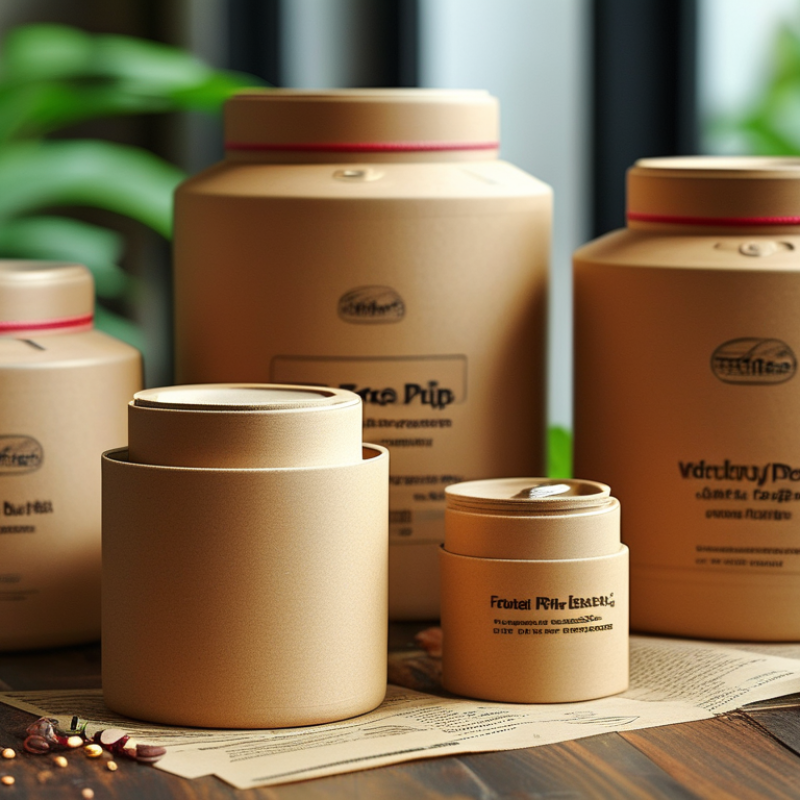
Paper buckets for food packaging offer numerous benefits that appeal to modern consumers. They are biodegradable and recyclable, which makes them a great choice for environmentally-conscious businesses. In a time when sustainability is increasingly vital, using paper buckets can improve a brand’s image. The natural materials in these buckets are safe and non-toxic, ensuring food freshness without harmful chemicals leaching into the contents.
Additionally, paper buckets provide excellent insulation. They help keep hot foods warm and cold foods cool. Their robust design allows for various food items, from fried chicken to popcorn. The fun and appealing presentation can attract customers, enhancing the overall dining experience. While there are limitations to their use—like moisture resistance—the overall advantages often outweigh these concerns.
More businesses are adopting paper buckets, but it is crucial to recognize potential challenges. Sourcing high-quality paper from sustainable sources is one such issue. As demand increases, maintaining supply chain integrity and transparency will be vital. Companies must stay informed about best practices in sourcing and recycling to ensure they remain reliable and reputable in the industry.
Paper buckets are gaining traction as a preferred packaging solution in the food industry. Their sustainability benefits resonate with environmentally conscious consumers. A report by Smithers Pira highlights that paper packaging could reach 44 million tons in global consumption by 2024. This shift reflects a growing demand for eco-friendly options.
The production of paper products often has a lower carbon footprint compared to traditional plastic. According to the Environmental Paper Network, the paper industry has reduced greenhouse gas emissions by 20% since 2005. Many paper buckets are made from recycled materials, which further enhances their eco-friendliness. However, challenges like water usage in paper production require attention.
Recyclability is another key factor. A study by the Waste and Resources Action Programme indicates that 75% of consumers prefer recyclable packaging. Paper buckets, when designed for easy recycling, can play a crucial role in this preference. Despite the positive aspects of paper buckets, concerns about their durability under wet conditions remain.
Responsible sourcing, lifecycle assessments, and improving processing methods are essential for ensuring paper buckets' true sustainability. It’s vital for the industry to address these imperfections while promoting a greener future.
Paper buckets offer a versatile solution for various food items. Their unique design accommodates diverse products, from popcorn to fried chicken. The structure of paper buckets makes them ideal for holding both hot and cold foods. The insulating properties can keep hot items warm, while cooling remains effective for items like salads or desserts.
These buckets also support creative presentation. A paper bucket can be decorated or customized to enhance branding. This adaptability appeals to food vendors and restaurants. Despite their advantages, there are challenges. Paper buckets may not be suitable for all liquid foods. They can become soggy under wet conditions. Thus, they're not always the best choice.
Additionally, while paper is recyclable, not all consumers know this. Education on disposal is crucial for maximizing sustainability. Paper buckets can reduce plastic use, but awareness is key. Balancing convenience and environmental impact is an ongoing journey for the food industry.
When considering food packaging, paper buckets stand out against plastic and styrofoam options. Paper buckets are biodegradable and compostable, unlike their plastic counterparts. This makes them an environmentally friendly choice. They are made from renewable resources, reducing reliance on fossil fuels. In terms of usability, these buckets can be easily customized. Companies can print logos and designs directly onto the surface, enhancing brand visibility.
On the other hand, plastic and styrofoam may provide sturdiness, but they come with significant environmental costs. Both materials contribute to pollution and take centuries to decompose. Many consumers are becoming increasingly aware of this impact. They prefer packaging that aligns with their values. In this light, paper buckets represent a shift toward more sustainable practices.
Despite their advantages, some drawbacks exist. Paper buckets can be less resistant to liquids. They may also not provide the same durability as hard plastics when transporting heavy foods. Businesses must weigh these factors carefully. The choice of packaging should reflect not only functionality but also environmental commitment. Embracing paper buckets could indicate a progressive approach to food packaging.
Consumer preferences in food packaging are shifting towards more sustainable options. Many consumers are increasingly aware of environmental issues. This growing concern has led to a noticeable demand for eco-friendly materials, such as paper. Paper buckets serve as a stylish and functional alternative to traditional plastic containers. They can be recycled and are biodegradable. These features align well with consumers' preference for reducing their carbon footprint.
Market trends indicate that sustainability is not just a fad. Studies show that a significant portion of consumers are willing to pay more for eco-friendly packaging. Interestingly, aesthetics also play a crucial role. Paper buckets offer vibrant colors and designs that enhance visual appeal. They can create a premium look for food, attracting health-conscious consumers. However, some challenges persist. Not all paper packaging can withstand moisture. This can affect food quality and safety.
Brands must address these issues to meet consumer expectations. They need to ensure the integrity of paper materials when it comes to hot or wet foods. Addressing these concerns can help businesses tap into the growing market for sustainable food packaging. The evolution in consumer preferences suggests that paper buckets may become a staple in the food industry.
: Paper buckets can hold various food items, including popcorn and fried chicken.
Yes, they keep hot items warm and are suitable for cold foods like salads.
Yes, they are recyclable and biodegradable, reducing plastic use in food packaging.
Yes, many consumers now favor eco-friendly materials due to environmental concerns.
Yes, they may not be ideal for all liquid foods, as moisture can make them weak.
Businesses can customize their design and colors to improve branding and visual appeal.
No, many consumers lack knowledge about how to properly dispose of paper products.
Yes, attractive designs contribute to the premium perception of food products.
They may not withstand moisture well, impacting food quality and safety.
Brands need to ensure paper materials can handle hot and wet foods effectively.
Paper buckets for food packaging offer numerous advantages, making them an increasingly popular choice among consumers and businesses alike. Their sustainability and lower environmental impact compared to traditional materials highlight the growing demand for eco-friendly packaging solutions. Paper buckets are versatile and can accommodate a wide variety of food items, from snacks to meals, thereby catering to diverse culinary needs.
Additionally, the comparison of paper buckets with alternative packaging materials reveals their cost-effectiveness and practicality. Current market trends indicate a strong preference among consumers for sustainable options, further solidifying the role of paper buckets for food in the evolving food packaging landscape. Overall, the benefits and adaptability of paper buckets position them as a smart choice for both food suppliers and environmentally conscious consumers.

UPG International