Why Choose PE Coated Paper Sheets for Global Packaging?
Global packaging demands materials that protect products and communicate responsibility. A Pe Coated Paper Sheet combines a paper base with a thin polyethylene layer. This structure helps resist moisture, grease, and light surface abrasion during handling. It can support food service, retail, industrial, and export packaging applications.
Packaging experience shows that small material choices often affect the entire supply chain. A coated sheet may stay smoother inside a humid container. Its surface can also support clear printing, strong folding, and consistent sealing. Picture a takeaway box moving from a refrigerated warehouse to a warm delivery truck. The coating helps the paper maintain useful performance through that transition.
Performance still depends on design. It is not a universal answer. Different products require different coating weights, paper grades, and converting methods. Recyclability can also vary by local infrastructure and separation technology. This point deserves honest attention. A package may appear paper-based, yet its plastic layer can complicate recovery. Buyers should request supplier specifications, migration documentation, durability data, and relevant certification evidence. Independent testing can confirm whether the sheet suits moisture exposure, temperature changes, and contact requirements.
Reliable global sourcing requires more than attractive samples. It requires traceable materials, stable production, and clear technical communication. Suppliers should explain fiber sources, coating composition, tolerances, and expected storage conditions. Manufacturers must also review regional packaging rules before production. Used carefully, a Pe Coated Paper Sheet can balance protection, print quality, and operational efficiency. The better choice is the one proven by testing, not the one promoted by confident language.
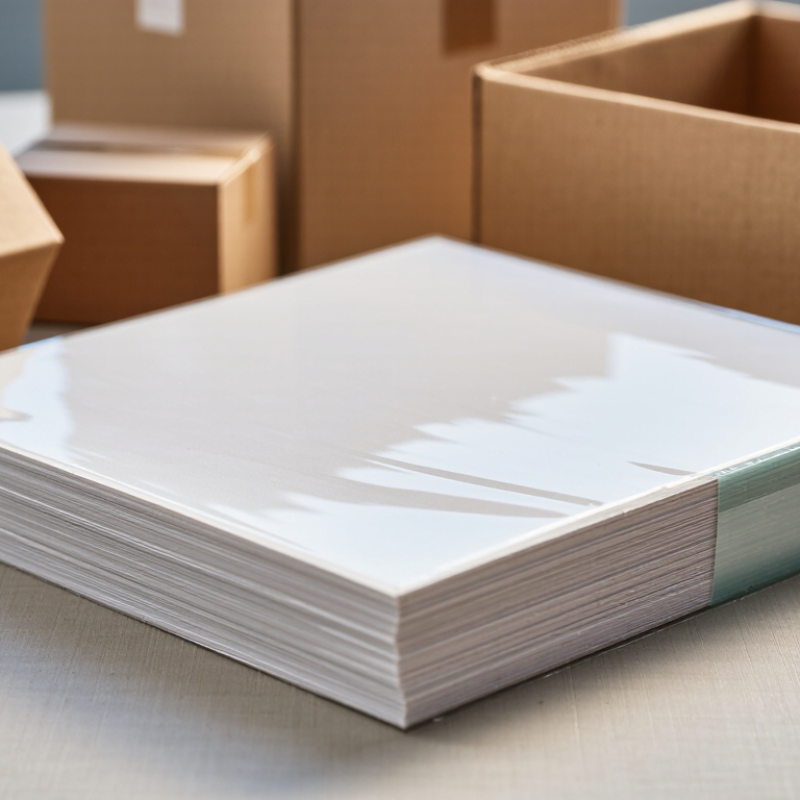
PE coated paper sheets are paper substrates covered by a thin layer of polyethylene (PE).
The coating is applied through heat and pressure, creating a smooth, moisture-resistant surface. In a factory, the paper may arrive in large rolls, then pass through coating, cooling, and slitting equipment. The finished sheets feel firm but remain easier to fold than many plastic-only materials. They are commonly used for food trays, takeaway boxes, cup stock, medical packs, and industrial wrapping. The paper supplies stiffness and printability. PE helps resist water, grease, and short-term contact with damp products.
That combination matters.
The coating also changes how packaging performs during storage and transport. A PE surface can reduce leakage from sauces, condensation, or oily fillings. It supports cleaner filling lines and more stable folding at moderate temperatures.
However, performance depends on basis weight, coating thickness, sealing temperature, and the intended product. Thicker is not always better.
Overcoating can add cost and complicate recycling. Poorly controlled heat may weaken the paper or create uneven seals. These details deserve testing, not assumptions.
From a specification viewpoint, buyers should request data for barrier performance, seal strength, food-contact suitability, and recyclability in the target market.
Local collection systems matter. A sheet may be technically recyclable, yet unavailable facilities can prevent recovery. This is where the material is less perfect than a sales description suggests.
Small trials with the actual filling, storage time, and transport conditions reveal more than a generic datasheet. PE coated paper sheets can offer a practical balance, but responsible selection requires honest limits, documented testing, and clear disposal guidance.
Paper fibers are formed into rolls, dried, smoothed, and prepared for coating. Melted polyethylene forms a thin film at about 280–330°C. A chilled roller presses the film onto the paper. The coated web is trimmed, rewound, and cut into sheets.
The paper base often weighs 60–350 grams per square meter. Lighter sheets suit wraps and liners. Heavier sheets support trays, inserts, and sturdier packaging.
The coating helps resist moisture, grease, and short-term liquid contact. It can reduce leakage from sauces or oily foods. It is not a complete barrier for every application.
They support food wraps, sandwich sleeves, bakery trays, and takeaway containers. They also line cartons for berries, vegetables, and chilled products. Retail bags, carton inserts, and protective layers use them too.
Quality teams measure paper weight, coating thickness, bonding strength, and pinholes. They may test water absorption and heat-seal performance. Uneven tension can create wrinkles or weak edges.
Thickness affects folding, sealing, grease resistance, and recycling performance. A thin coating may offer limited protection. An overly heavy coating can complicate fiber recovery.
No. Sustainability depends on coating weight, collection systems, and local recycling equipment. A recyclable-looking sheet may still face poor recovery conditions. The recovery chain is imperfect.
Match the sheet to moisture exposure, grease levels, folding needs, and sealing requirements. Check local recycling capabilities before making environmental claims. Appearance alone is not enough.
PE coated paper sheets are paper-based materials covered with a thin layer of polyethylene, creating a practical balance between natural paper characteristics and improved protective performance. The coating helps reduce water absorption, resist grease, strengthen the surface, and support reliable heat sealing. During production, paper is formed and dried before polyethylene is evenly applied through a controlled coating process. The finished material is then cooled, inspected, and cut into sheets according to packaging requirements.
A Pe Coated Paper Sheet can be used for food containers, takeaway packaging, paper cups, wrapping applications, industrial liners, and other products that need moisture or oil resistance. When selecting the right sheet, businesses should consider coating thickness, paper weight, stiffness, sealing behavior, printability, converting method, and intended end use. They should also assess storage conditions, transportation needs, product safety requirements, and environmental objectives. Choosing the proper combination of paper structure and coating performance can improve packaging reliability, production efficiency, and customer experience across different markets.

 UPG International