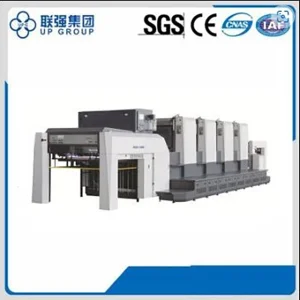
The global packaging ecosystem is experiencing a seismic shift toward sustainable substrate conversion. As municipalities, sovereign nations, and trade unions enforce stringent prohibitions on single-use plastics, the demand for high-strength, recyclable kraft paper bags has intensified. Consequently, setting up a paper bag making machine small scale factory has transitioned from a niche entrepreneurial venture into a highly strategic industrial imperative.
Small-scale factories provide indispensable agility to the supply chain. Unlike mega-production hubs that demand massive minimum order quantities (MOQs) and lengthy transit times, a decentralized network of regional factories allows for just-in-time (JIT) production. This model dramatically reduces carbon emissions associated with distribution logistics and enables direct customization for local commercial customers, including food service providers, premium fashion houses, and e-commerce fulfillment terminals.
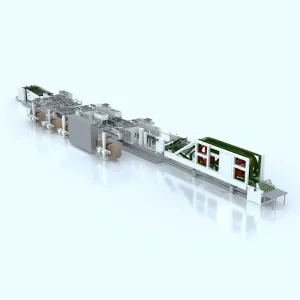
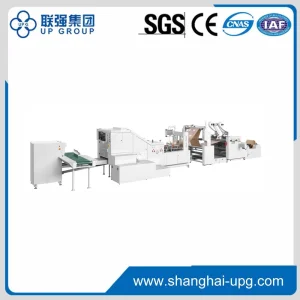
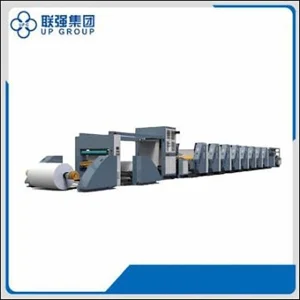
To survive in a competitive packaging landscape, contemporary small-scale factories rely on automated technologies that minimize manual handling. Roll-fed paper bag making units, which integrate unwind tension controllers, tube-forming molds, servo-driven cutters, and bottom-folding systems into a single block, represent the state of the art in mechanical efficiency.

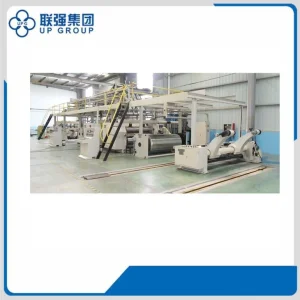
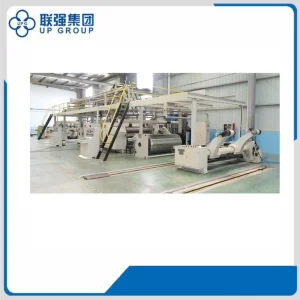
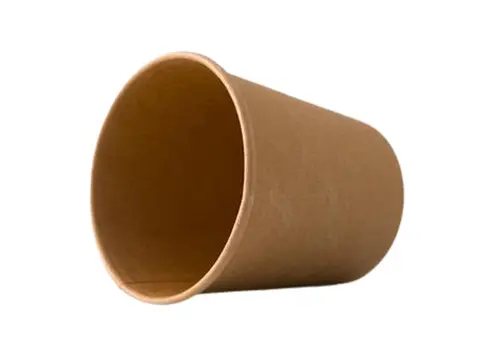
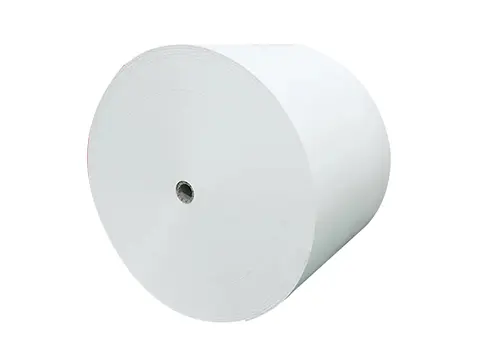
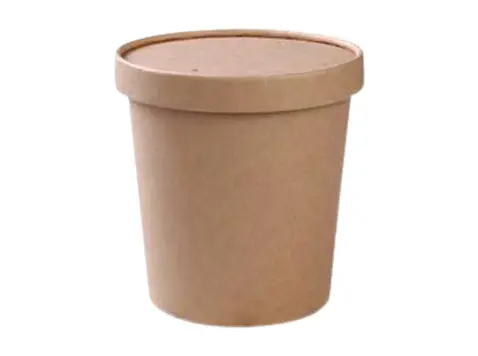
We specialize in producing high-yield cup paper and food packaging board, tailored specifically for making paper cups, paper bowls, buckets, food boxes, plates, and lids.
Learn More →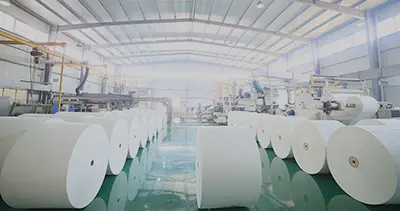
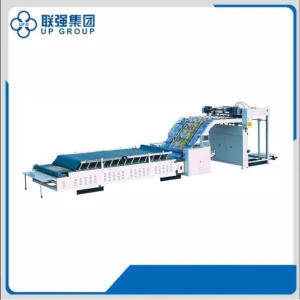
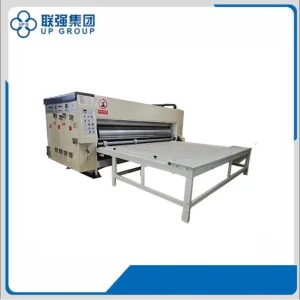
UP Group's mission focuses on supplying trustworthy products, improving technologies, controlling quality strictly, and providing rapid after-sale field services.
Learn More →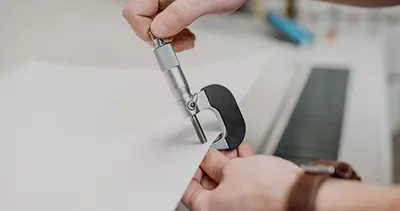
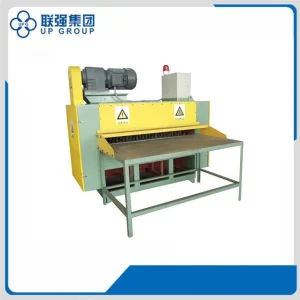
More than 40 highly experienced and professional teams are waiting to coordinate on your custom machinery inquiries, optimizing layout design for new plants.
Learn More →A standard configuration within a famous paper bag making machine small scale factory comprises three core processing nodes: raw material preparation, bag body forming, and end-of-line collection/packing. In the case of roll-fed machines, a hydraulic shaftless unwind stand feeds paper web tensioned by automatic electromagnetic brake controls. Optical photocell detectors track pre-printed registration marks, ensuring precise cutting registration even at operating speeds exceeding 150 bags per minute.
The paper web is drawn over adjustable forming plates that dictate the final bag width. Side seams are glued using either cold adhesive extrusion nozzles or hot-melt applicators. Proper adjustment of the forming plates prevents bag structural wrinkling, ensuring that even lightweight kraft materials form perfect tubes.
This is where structural integrity is achieved. The machine cuts the paper tube to the predefined bag length via a rotary drum cutter. The tube segment then moves to the bottom-folding station. For square-bottom bags, a series of mechanical fingers open the tube bottom, form the gussets, and apply paste before the bottom is pressed shut. High-speed bottomers, such as the LQ-GU8320 High Speed Bottomer Machine, are specifically designed to perform this step with exceptional structural consistency.
| Machine Specification Parameter | Standard Small-Scale Range | Industrial Scale Comparison | Process Relevance |
|---|---|---|---|
| Paper Roll Width Range | 300 mm - 1000 mm | 800 mm - 1600 mm | Determines bag dimensional capacity limits |
| Paper Thickness Range (GSM) | 60 g/m² - 150 g/m² | 100 g/m² - 220 g/m² | Influences bag strength and gusset crease performance |
| Output Speed Capacity | 80 - 220 bags/min | 250 - 450 bags/min | Directly dictates daily factory throughput metrics |
| Total Energy Consumption | 11.5 kW - 22 kW | 45 kW - 90 kW | Primary operating expenditure (OpEx) contributor |
To satisfy the demands of contemporary brands, modern paper bag lines are increasingly incorporating water-based, biodegradable barrier coatings. Historically, paper cups and food bags relied on PE (polyethylene) films to resist liquids and grease. Current trends point to direct integration of PLA (polylactic acid) or dispersion coatings that dissolve during standard repulping operations. This change ensures that products can be labeled as 100% biodegradable, facilitating rapid regulatory approval in strict European and North American markets.
Our manufacturing foundation was established in 1998 in China. Over the last two decades, our production capacities have developed to the point where we now export complex conversion machinery to more than 90 countries. We have established stable, long-term partnerships and distributor agreements in over 50 countries, facilitating rapid spare-parts deployment and localized maintenance support.
We are a leading engineering force specializing in Cup Paper, Food Packaging Board, and advanced web-converting machines. Our machinery facilitates the processing of raw paper stock into high-demand products like paper cups, packaging boxes, and heavy-duty shipping bags. This comprehensive ecosystem ensures that clients purchasing our processing equipment receive robust guidance on material selection, machine tuning, and plant optimization.
A common error among packaging startups is deploying a generic machine configuration for all bag designs. In contrast, experienced factory operators know that machinery must be closely aligned with the target market's specific requirements. Below are three common scenarios that demonstrate the versatility of modern small-scale converting equipment:
Quick-Service Restaurants require lightweight, grease-resistant, square-bottomed bags. Production lines in this category run high-speed, roll-fed machines utilizing thin Kraft stock (60gsm-80gsm) treated with food-safe coatings.
Premium retail demands heavy-duty bags (120gsm-170gsm) with reinforced handles (twisted or flat paper loop styles). These lines operate at lower machine cycle speeds to allow precise hot-melt handle adhesion and gusset formation.
Modern e-commerce requires dual-adhesive strips on bag openings to facilitate returns. Specialized mailer bag machines integrate peel-and-seal tape applicators and double-creasing units, producing durable mailer bags for logistics companies.
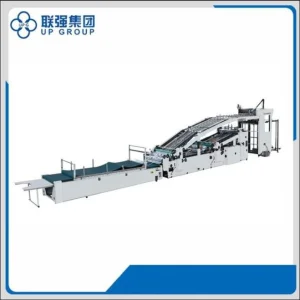
Get the Latest Discounts on Small Scale Machinery & Industrial Raw Materials
Whether you are planning to set up a new production line, integrate handle-attaching machinery, or source raw PE-coated/biodegradable packaging boards, our engineering consultation team is ready to assist. Contact us today to receive customized floor plans, ROI projections, and configuration proposals.
 UPG International