
The global packaging sector is undergoing a profound paradigm shift driven by stringent environmental mandates, changing consumer behavior, and the rise of circular economy policies. As governments in Europe (such as the EU Single-Use Plastics Directive), North America, and the Asia-Pacific region enforce bans and levies on lightweight plastic carrier bags, the demand for automatic paper packaging machinery has surged. Multi-layer, high-tensile paper bags with features like square bottoms, twisted handles, and specialized greaseproof liners have transitioned from niche premium items to high-volume logistical necessities.
For modern commercial buyers, establishing a stable relationship with a verified OEM paper bag machine business supplier is crucial to scaling production and maintaining low operational overhead. Success in this space is no longer just about buying standard machines off the shelf. It requires deep integration of mechanical engineering, electronic control systems, dynamic flexo printing capabilities, and an understanding of substrate dynamics like GSM variance, moisture content, and tensile strength thresholds.
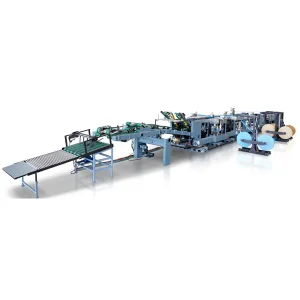
Modern paper bag manufacturing is divided into two primary categories: roll-fed and sheet-fed. Each method addresses specific volume, sizing, and material criteria:
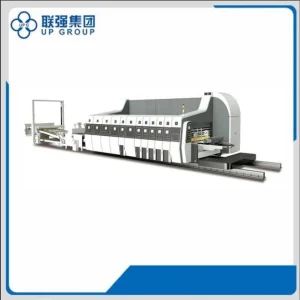
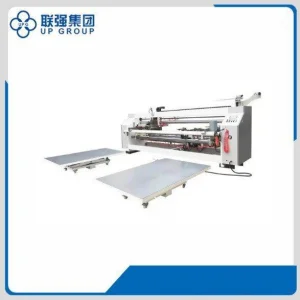
Key assemblies of a high-performance production line include:
| System Module | Core Functionality | OEM Customization Options |
|---|---|---|
| Web Tension & Alignment | Magnetic powder brakes and ultrasonic web guiding track the roll, preventing paper tear at high speeds. | Closed-loop tension control systems, pneumatic shaft upgrades. |
| Inline Flexo Printing | Applies single to multi-color brand imagery directly onto the web before folding. | Doctor blade ink chambers, ceramic anilox rollers, UV dryers. |
| Tube Forming & Side Gluing | Folds the flat paper web into a continuous tube structure, pasting the longitudinal seam. | Cold glue extrusion nozzles or hot-melt applicators for laminated papers. |
| Bottom Creasing & Folding | Forms the signature square bottom (or flat V-bottom) using rotary drums and mechanical fingers. | Variable bottom size configurations without tooling changes. |
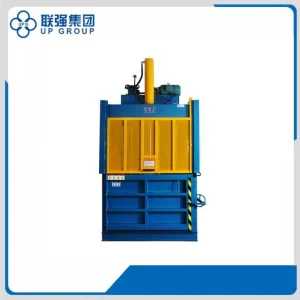
| Delivery & Compacting | Counts, compacts, and stacks finished bags to prepare them for baling or boxing. | Automatic bundle collection, batch markers, inline weighing scales. |
This technical integration highlights why choosing the right machinery supplier matters. Suppliers must offer customizable OEM engineering to align with localized substrate standards, variable power supplies, and specific end-product specifications.

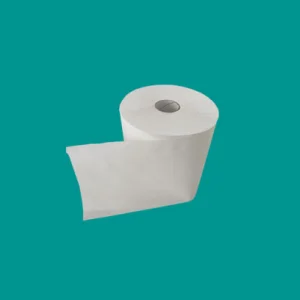
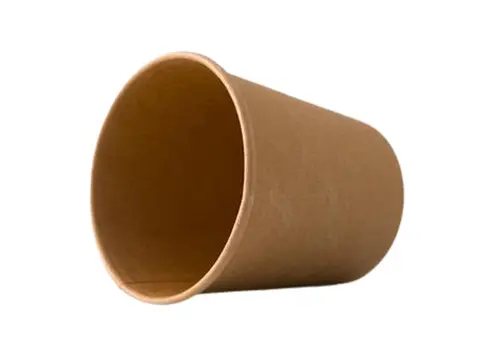
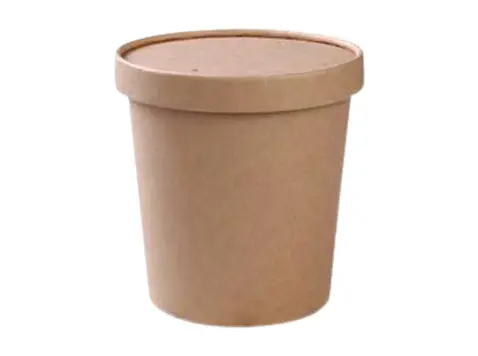
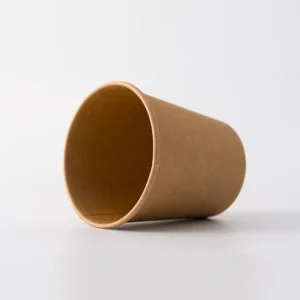
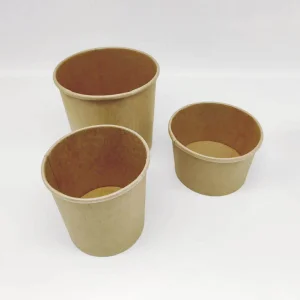
We specialize in producing high-grade cup paper and food packaging board, ideal for manufacturing paper cups, bowls, buckets, food boxes, plates, and lids.
Technical Data Sheets →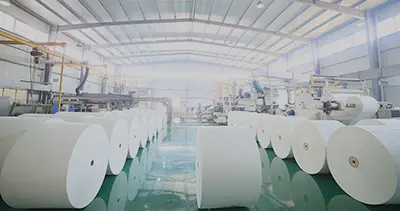
Our mission is supplying reliable products, continually improving machinery and material technologies, controlling quality strictly, and providing responsive support.
Our Manufacturing Standard →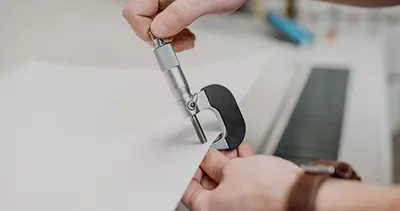
More than 40 experienced engineering and support professionals are ready to assist you with equipment selection, material compatibility testing, and facility layout planning.
Speak to our Specialists →For global packaging converters, selecting a supplier in China for OEM paper bag machines offers significant cost and speed benefits. Chinese manufacturers leverage localized supply chains, extensive production expertise, and robust raw material networks to deliver high-performance equipment. Key advantages include:
Chinese machinery hubs, particularly in regions like the Yangtze River Delta around Shanghai, group mechanical design, steel fabrication, precision CNC machining, electrical assembly, and software development within close proximity. This geographic density enables rapid iterations, shortens lead times, and minimizes shipping costs for sub-assemblies. From raw casting to final PLC programming, the entire production cycle is highly streamlined.
Unlike suppliers that focus exclusively on machinery or raw materials, leading Chinese providers often bridge both sectors. By matching mechanical engineering with paper substrate production (such as specialized cup papers, clay-coated boards, and barrier films), these suppliers ensure that paper bag machines are optimized for the physical properties of the materials they process. This reduces tension failures, gluing issues, and web breaks during operation.
Modern Chinese factories utilize advanced testing equipment and adhere to global safety and quality frameworks (including CE and ISO certifications). Heavy-duty machine frames are cast, heat-treated, and precision-milled to prevent deformation under high continuous loads. Major electronic components—such as servo drives, PLCs, and touchscreen interfaces—are sourced from reliable international brands (e.g., Mitsubishi, Siemens, Yaskawa) to ensure dependable performance worldwide.
Founded in 1998, our factory is a leading manufacturer in China, exporting packaging machinery and premium paper substrates to more than 90 countries. We maintain long-term distribution partnerships and service centers in over 50 countries, ensuring timely spare parts delivery, virtual diagnostic support, and on-site commissioning.
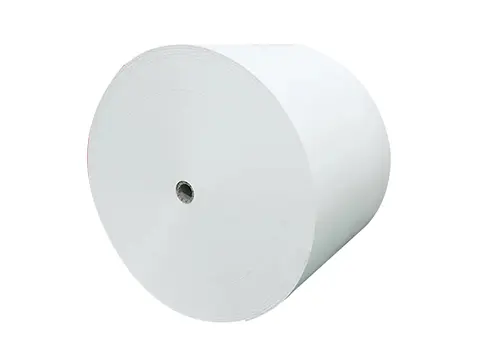
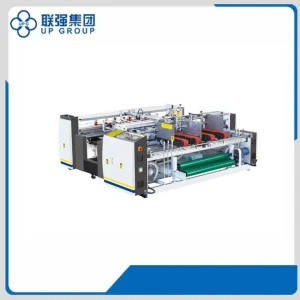
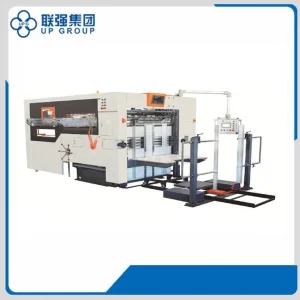
We specialize in producing high-quality cup paper and food packaging board alongside our automated paper bag and carton finishing machines. By engineering both the raw paper substrates and the high-speed processing machinery, we help global converters optimize material feeding, glue adhesion, and high-speed folding to maximize OEE (Overall Equipment Effectiveness).
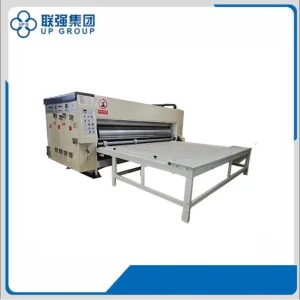
Whether you require standard roll-fed bag systems, flexographic printing press integrations, or specialized bottom-forming equipment, our engineering team customizes solutions to meet your target output, regional regulations, and budget constraints.

The operational demands placed on a paper bag machine business supplier vary widely based on regional target markets and localized consumer expectations. Understanding these applications is critical when designing a customized manufacturing line:
The rapid growth of online retail has driven massive demand for heavy-duty, double-pasted paper mailers. Unlike grocery bags, e-commerce mailers require integrated hot-melt peel-and-seal tape applicators, tear-strip insertions, and expandable side gussets. Sourcing machines with inline printing and adhesive strip integration helps converters run these complex configurations in a single pass.
In QSR applications, speed and grease resistance are critical. Machines must process thin, greaseproof papers (ranging from 40 to 70 GSM) without tearing. These systems typically utilize flat-and-satchel (V-bottom) formats, run at very high speeds, and require clean cut-offs to ensure reliable performance in automated filling lanes.
Luxury boutiques require heavy-gauge paper bags (ranging from 120 to 200+ GSM) with reinforced tops and bottoms. These lines often require sheet-fed configurations that support embossing, foil stamping, multi-color offset or high-resolution flexo printing, and the inline application of twisted paper or cotton handles.
From initial design to factory layout, raw material selection, and final commissioning, our engineering team delivers tailored manufacturing lines to optimize your production efficiency.
Request Technical Consultation

Reach out to our global sales and engineering department to request technical specifications, factory layout consulting, or material compatibility reports.
Inquiry For Pricelist UPG International