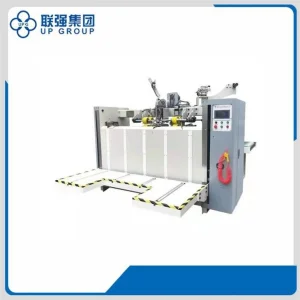
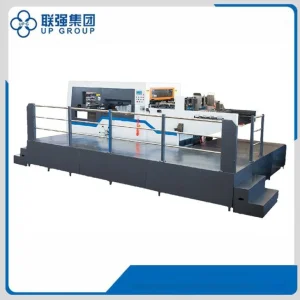
Industrial-grade processing units deployed globally for carton folding, bottom gluing, and structural raw material preparation.
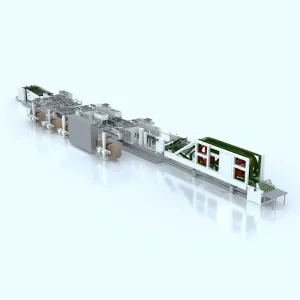
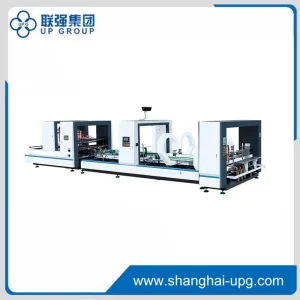
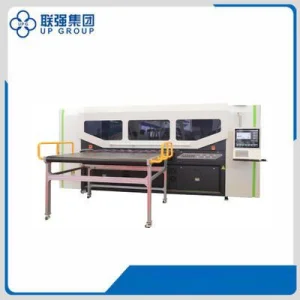
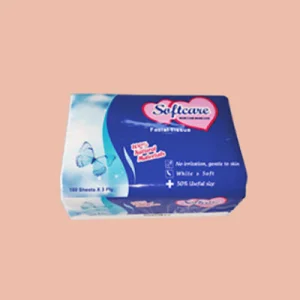

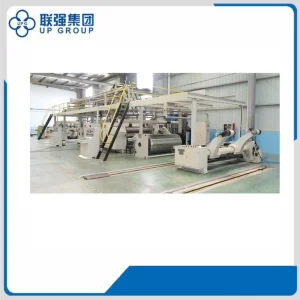
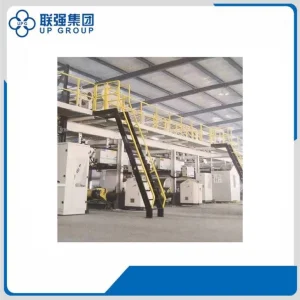
Analyzing the macro transition toward high-yield automated packaging lines driven by global environmental policies.
In the wake of sweeping environmental mandates such as the European Union’s Single-Use Plastics Directive and similar federal restrictions in North America and Asia-Pacific, the global packaging industry has pivoted decisively toward eco-friendly paper alternatives. Among the critical finishing modules of high-speed bag converting lines, the paper bag handle pasting machine stands out as a core driver of modern packaging plant efficiency. These systems are designed to bridge the gap between structural integrity and high-output, reliable manufacturing throughput.
Currently, the market demands high flexibility. Modern handle-pasting technology operates at the intersection of precision robotics, high-speed thermal bonding, and smart tension controls. The integration of inline web handles (such as twisted rope or flat-fold paper straps) directly onto paper carrier bags requires micro-calibrated adhesive alignment to ensure the handles withstand high dynamic load metrics. Global industrial applications range from high-fashion luxury boutiques and specialty food deliveries to bulk grocery and e-commerce shipping boxes.
Global Export Countries
Year Established
Bags Per Minute Yields
Biodegradable Target Options
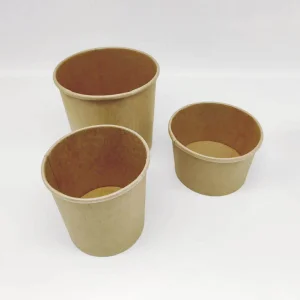
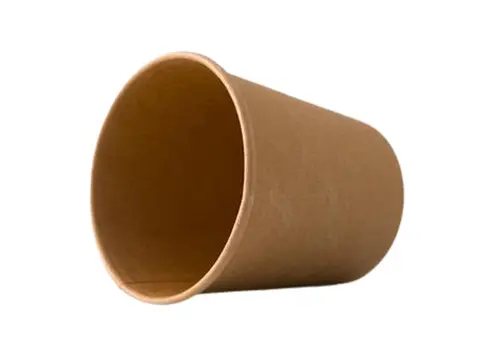
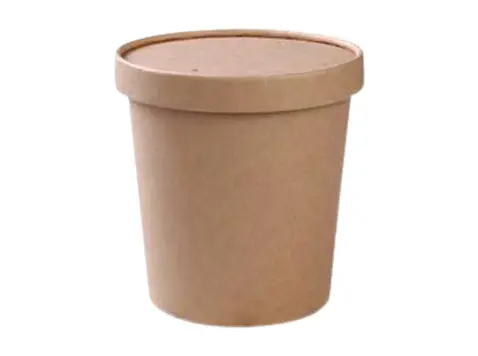
Our industrial capabilities extend to producing specialized cup paper and eco-friendly food packaging boards designed to support diverse consumer applications, including paper cups, structural bowls, heavy-duty buckets, paper food boxes, plates, and bio-degradable lids.
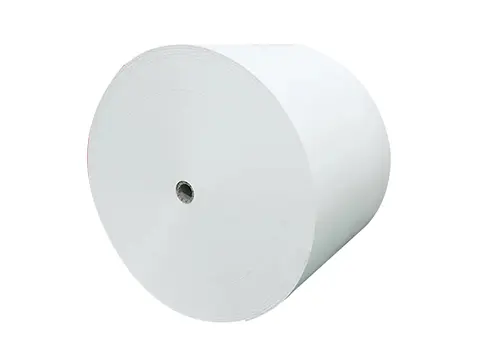
Our specialized structural materials serve as the structural backbone for global container brands. We guarantee consistent caliper and smooth surface finishes for high-speed die-cutting and folding-gluing conversion processes.

Deploying handle-pasting automation globally requires addressing regional power standards, localized packaging preferences, and environmental policies.
Different regional economies pose distinct engineering demands on packaging lines. In North American and Western European markets, the shift is primarily driven by large e-commerce giants demanding high-durability bags featuring reinforced handles. High shear resistance of the applied glue is crucial here, as these carriers are often transported via mechanized sorting centers and must withstand rugged handling. Machine configurations must include localized voltage settings (such as 480V, 3-phase, 60Hz) and strict compliance with UL and CE certifications.
In Contrast, the Asia-Pacific and South American regions prioritize modular versatility. Factories in these developing packaging hubs require machines capable of quick changeovers between different paper grades (e.g., lightweight kraft paper, heavy PE coated boards, and recycled fiber boards). Multi-format pasting units that switch rapidly between twisted rope handles and flat patch handles are highly valued for optimizing capital expenditures in these regions.
The selection of the adhesive mechanism is fundamental to modern line speeds. Hot-melt systems use pressurized extrusion nozzles (from industry leaders like Nordson or ITW Dynatec) that apply precise dots or lines of adhesive heated to between 160°C and 180°C. The primary advantage is instant curing (often under 0.5 seconds), enabling inline bags to be packed immediately. Cold-glue systems, while slower to cure, are preferred for high-strength requirements where the glue penetrates deep into the paper fibers to form a strong mechanical bond. Advanced hybrid lines deploy a multi-nozzle configuration that uses hot melt for structural spot positioning and cold glue for long-term load capacity.
A systemic look at the automation phases involved in feeding, forming, gluing, and sealing structural bag handles.
Tension-controlled unwinders utilize electromagnetic powder brakes or servo-driven tension rollers to feed raw paper webs without tearing. This phase sets up the base paper substrate for inline forming.
Twisted paper ropes or flat straps are formed from raw rolls and cut to precision lengths. High-speed nozzle systems apply heated adhesive to the patch surface, maintaining tolerances under 0.2mm.
Dual rotary pick-and-place arms position the handle onto the moving bag body. Pneumatic pressure rollers compress the joint, instantly curing the adhesive for immediate stack packing.
Founded in 1998, our factory is a leading manufacturer in China, exporting advanced packaging solutions to more than 90 countries. We maintain long-term distribution partnerships in over 50 countries, specializing in high-speed converting machines and biological packaging substrates.
UP Group’s mission is supplying trusty products, improving technologies continually, controlling quality strictly, providing after-sale service in time, innovating and developing constantly. More than 40 experienced and professional teams are waiting for your inquiries and try their best to provide professional and efficient services to meet your needs.
Premium raw base papers engineered for extreme durability, grease barrier protection, and high-speed automatic processing.

Expert guide to optimizing machine speed, curing alignment, and ensuring mechanical consistency over high-speed production runs.
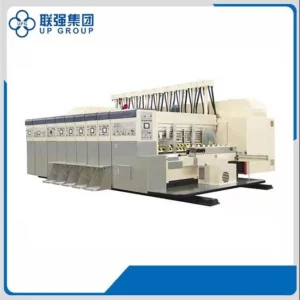
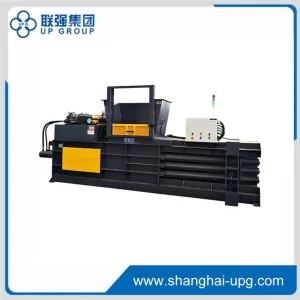
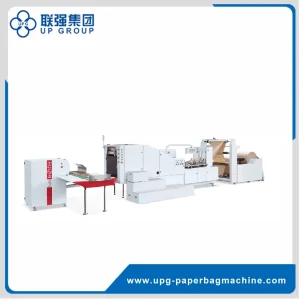
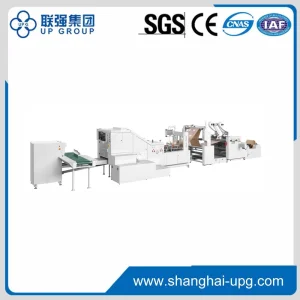
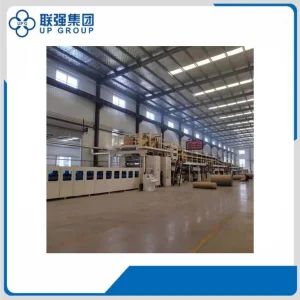
Complete line equipment designed to work in synergy with handle pasting, providing die-cutting, baling, and square bottom forming.
 UPG International